

Wholesale Beauty Supply for New Brands: How to Source Smart Without Tying Up Your Cash Flow
One of the most common early mistakes we see is founders spending most of their launch budget on a wide product range before a single customer has bought anything.
Unsold beauty products tie up cash that may still be needed for labels, shipping, marketing, and reorders. In this blog, we will explain how to choose a focused opening range, test demand, and purchase more only when products begin moving.
Decide Whether You Need Wholesale Stock or Your Own Private Label Range
Traditional beauty store suppliers sell finished products made by existing brands for resale. Private label sourcing works differently because a supplier provides a finished formula that the founder sells under their own brand name.
Resale stock can be quicker to merchandise, but it gives founders less control over the customer-facing brand. Private-label cosmetics require upfront branding decisions, but they allow founders to build a range under their own name.
Choose one model for opening inventory, rather than mixing unrelated resale brands with private-label products without a clear strategy. This blog focuses entirely on sourcing private label beauty products.
Set Your Maximum Inventory Spend Before Looking at Products
Start with the total amount of cash available for the launch, then set aside money for branding, labels, packaging, inbound freight, ecommerce setup, product photography, launch marketing, and unexpected costs.
What remains is the maximum opening inventory budget. Keep a separate reorder reserve so that a successful product can be replenished without diverting funds from rent, payroll, or other operating expenses.
The cheapest unit price offers no real advantage, while reaching for it requires buying more inventory than the business can sell. Write the inventory cap at the top of every supplier-comparison sheet before comparing beautician wholesale supplies or products in any other category. Inventory planning should always balance product availability against excess carrying costs.
Choose One Lean Product Lane for Your First Order

Resist the urge to order all six products at once. Select 2-4 products that serve the same customer and the same routine. Every additional size, shade, or package format becomes a separate inventory decision, and those decisions add up quickly. The sections below show how our products can fit into a focused private label cosmetics launch.
Gel Cleanser
A gel cleanser works well as a routine anchor for a skincare-focused brand. It pairs naturally with a moisturizer, making a simple two-step collection possible without overbuilding from day one.
Among wholesale skincare products, a cleanser is one of the easiest to position clearly. Launch with one package size, and add a second cleanser only after the first product shows reliable repeat sales.
Daytime Moisturizer
A daytime moisturizer is the logical companion to a cleanser for brands building a simple daily routine. Only add it when both products target the same buyer with the same need.
A cleanser-and-moisturizer bundle can test whether customers want both together. In private-label skincare, multiple moisturizers with overlapping roles can split demand, so hold off until sales data reveals a clear need.
Vitamin C Serum
A vitamin C serum works well as a targeted treatment in a private-label cosmetics line. One clearly differentiated serum is easier to explain and forecast than several launched at the same time.
Compare single-product sales with bundle sales to gather useful early data. Delay additional treatment serums until the brand knows which customer concern is actually driving purchases.
Hair Growth Serum
A hair growth serum fits well for salon owners, hairstylists, or hair-focused brands with an audience interested in scalp and hair routines.
When sourcing beautician wholesale supplies, testing the serum alone before adding shampoo and conditioner inventory keeps the opening commitment manageable. Service professionals are well-positioned to collect direct customer feedback before expanding the line. Add companion hair products only when serum sales confirm demand in the category.

Body Lotion
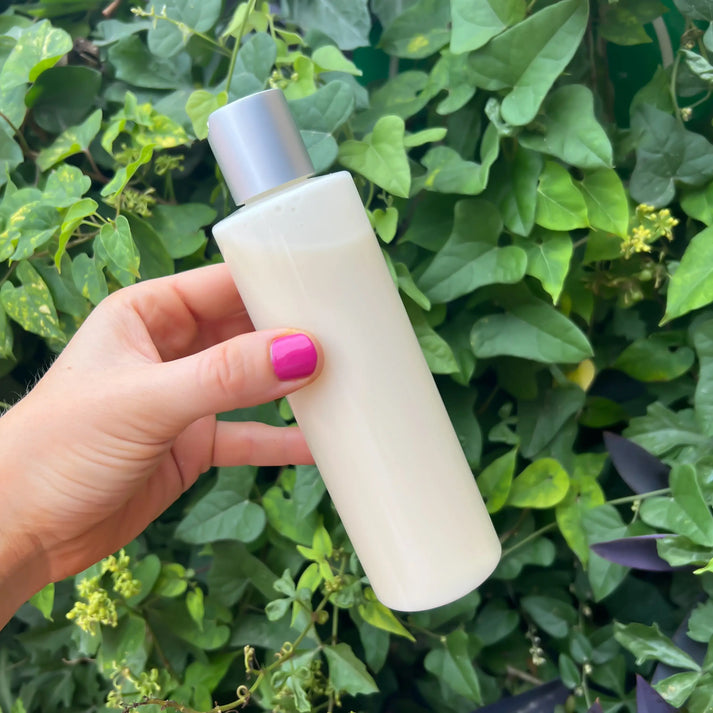
A body lotion is a straightforward option for boutiques, salons, spas, or skincare brands expanding beyond facial care. Choose one size and one package format first. Multiple sizes split a small amount of demand across separate SKUs, which makes real sales momentum harder to read.
Use repeat purchases and direct customer requests as signals before adding a second size to wholesale beauty supply orders.
Loose Mineral Blush Makeup
Loose mineral blush works as a test product for a makeup-led brand, makeup artist, or beauty boutique. Every shade creates a separate inventory position and may require its own tester, which adds up quickly.
When comparing options from beauty store suppliers, begin with a tightly selected shade group based on the actual target audience. Expand shades using sales results and customer requests.
Compare the Total Cash Required
Request a complete quote showing product cost, sample cost, product MOQ, label MOQ, packaging or component costs, setup or design fees, freight, taxes, and payment timing.
Multiply every SKU by every shade, size, or label quantity to expose the full cash commitment. Separate one-time setup costs from per-order costs that return with each reorder, and calculate landed unit cost only after everything is included.
At Indigo, our stock formulas have no product MOQ. For skincare, label customization begins at 12 units per SKU. We do not provide makeup labeling, so review our current ordering details and include any separate branding costs in your wholesale beauty supply budget.
Sample First, Then Place the Smallest Useful Test Order

Before purchasing branded private-label cosmetics inventory, test texture, scent, color, application, packaging functionality, leakage, and customer fit. Ask a small group matching the target customer to score the product using consistent questions.
Use the smallest order that supports photography, testers, early customers, and a short selling period. Do not order extra units to make shelves or social media photographs look fuller.
Set a test period and define the sales result needed before replenishing or expanding. Indigo Private Label allows founders to order stock-product samples without labels at the listed unit price.
Reorder From Sales Speed, Lead Time, and Safety Stock
Sales speed is the average number of units sold each day or week. Lead time is the period between placing a reorder and receiving sellable stock. A common reorder-point formula adds expected sales during lead time to safety stock.
If a product sells five units per week and the lead time is two weeks, the reorder point is at least ten units plus a safety buffer.
Set separate reorder points for each shade, size, and product. Keep more safety stock only for proven fast sellers or products with uncertain replenishment timing, and avoid automatically reordering every item from the original collection.
Review Every SKU Weekly Before Spending Again
Track starting stock, units sold, samples or testers used, damaged units, current stock, revenue, and weeks on hand. Use your sales data to assign each SKU one clear action, such as reordering, holding, bundling, promoting carefully, reducing the next quantity, or discontinuing it.
Review sales by shade and size, and protect winning products from cash being diverted into slow-moving experiments. Inventory reports provide the clearest guide to which products deserve more of your purchasing budget.
FAQs
How many wholesale beauty products should a new brand launch with?
Begin with 2-4 connected products that serve one clear customer and routine.
Is the lowest wholesale unit price always the best deal?
No. Compare the total cash required after minimums, labels, packaging, fees, freight, and variants are included.
Should a new makeup brand launch every available shade?
No. Begin with a carefully researched shade group and expand using actual sales and customer requests.
What is the difference between a product MOQ and a label MOQ?
A product MOQ controls how many units must be purchased, while a label MOQ controls how many branded labels must be ordered per SKU.
When should a new beauty brand reorder inventory?
Reorder when current stock reaches the amount needed to cover supplier lead time plus a reasonable safety buffer.
Build a Smaller, Smarter Opening Range With Indigo
Protecting cash starts with a focused plan. Choose one customer, one product lane, a small number of SKUs, and a written reorder rule before placing an order.
At Indigo, you can compare our private-label cosmetics, order samples, and review our ordering terms before committing to a larger launch.
Explore our current products and samples, then bring your shortlist and budget to an initial consultation so you can build an opening order your cash flow can support.


