Skip to product information
1 of 3

Indigo Private Label

Daytime Moisturizer

Daytime Moisturizer

Minimum order is 1 Units

Total $5.10 $5.10 /unit
Made in USA
Cruelty-free
Eco-friendly
Safe
View full details

Why Daytime Moisturizer?

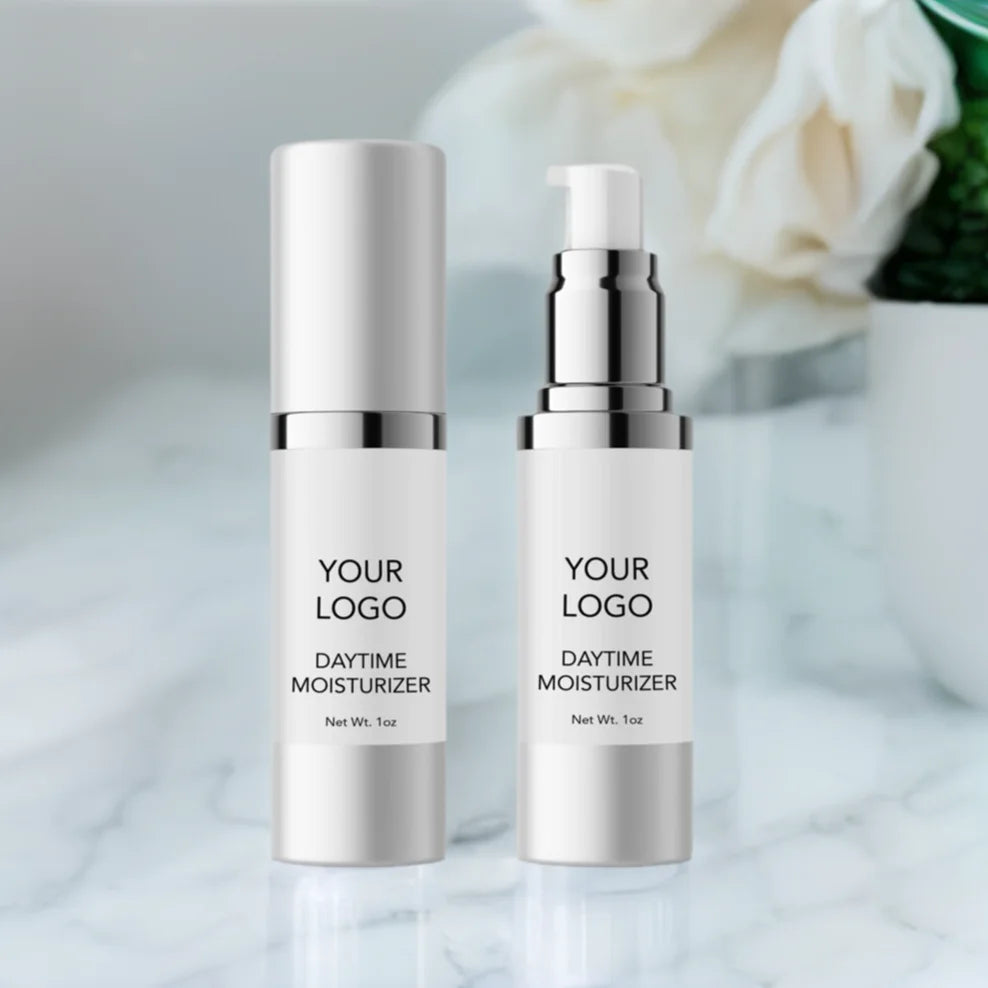
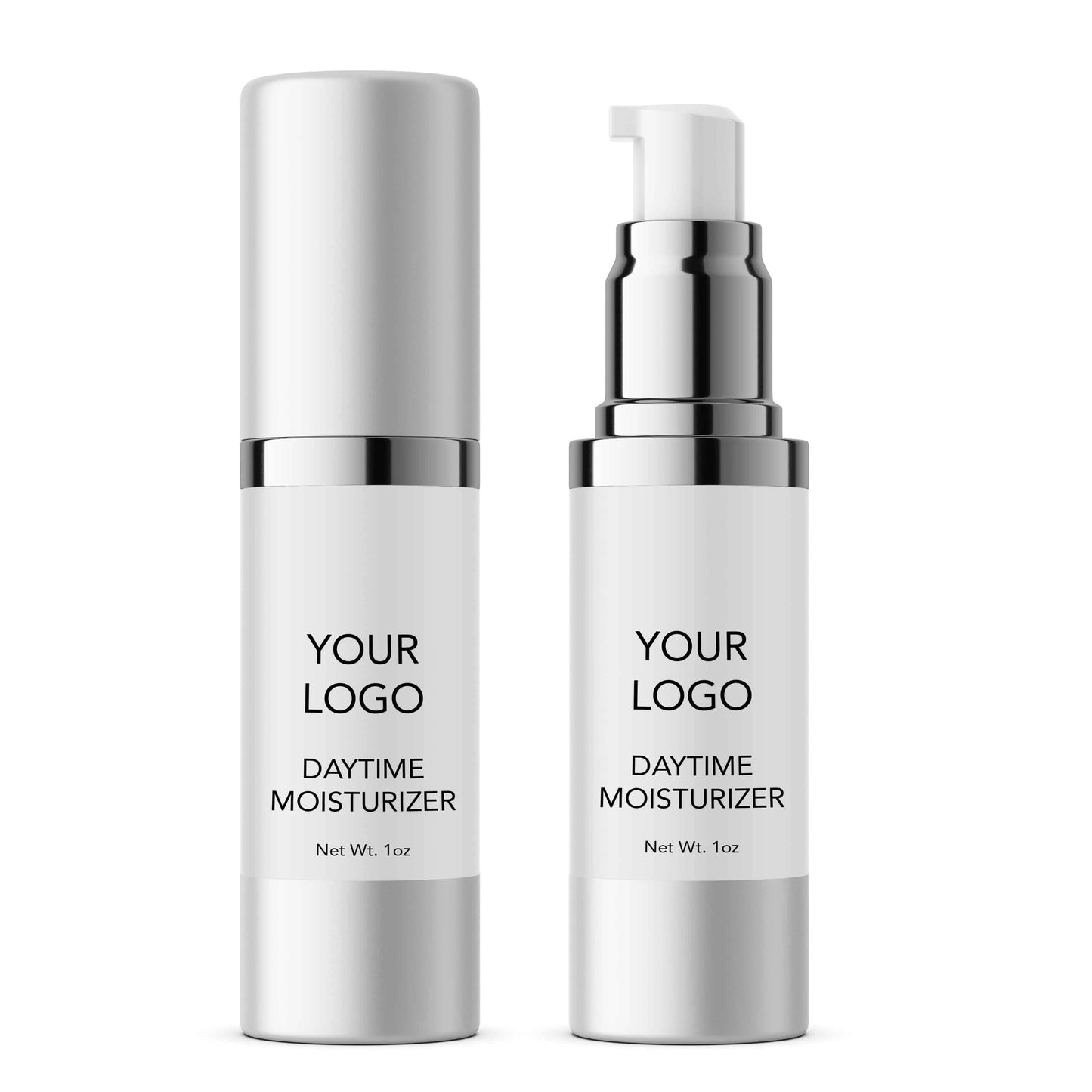
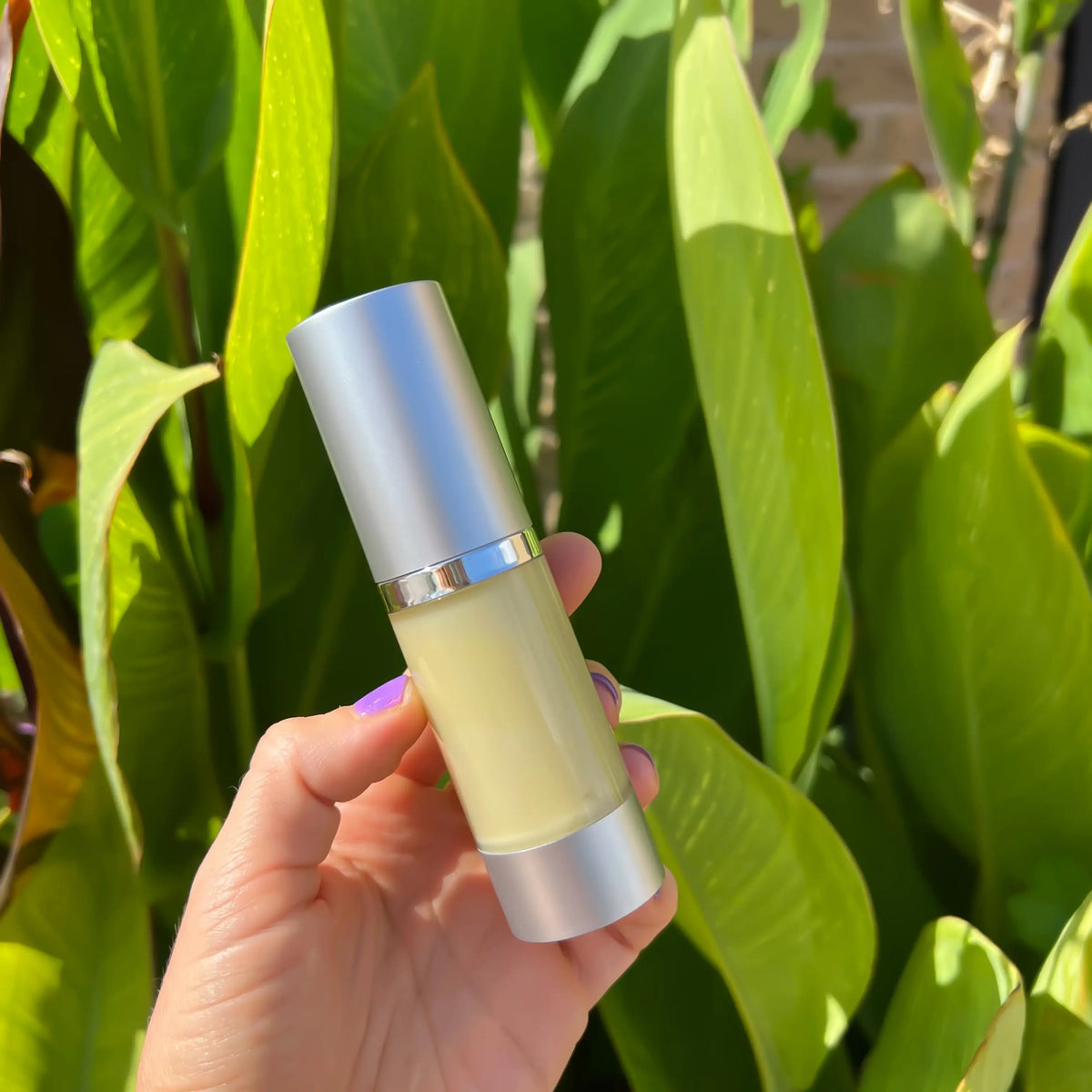
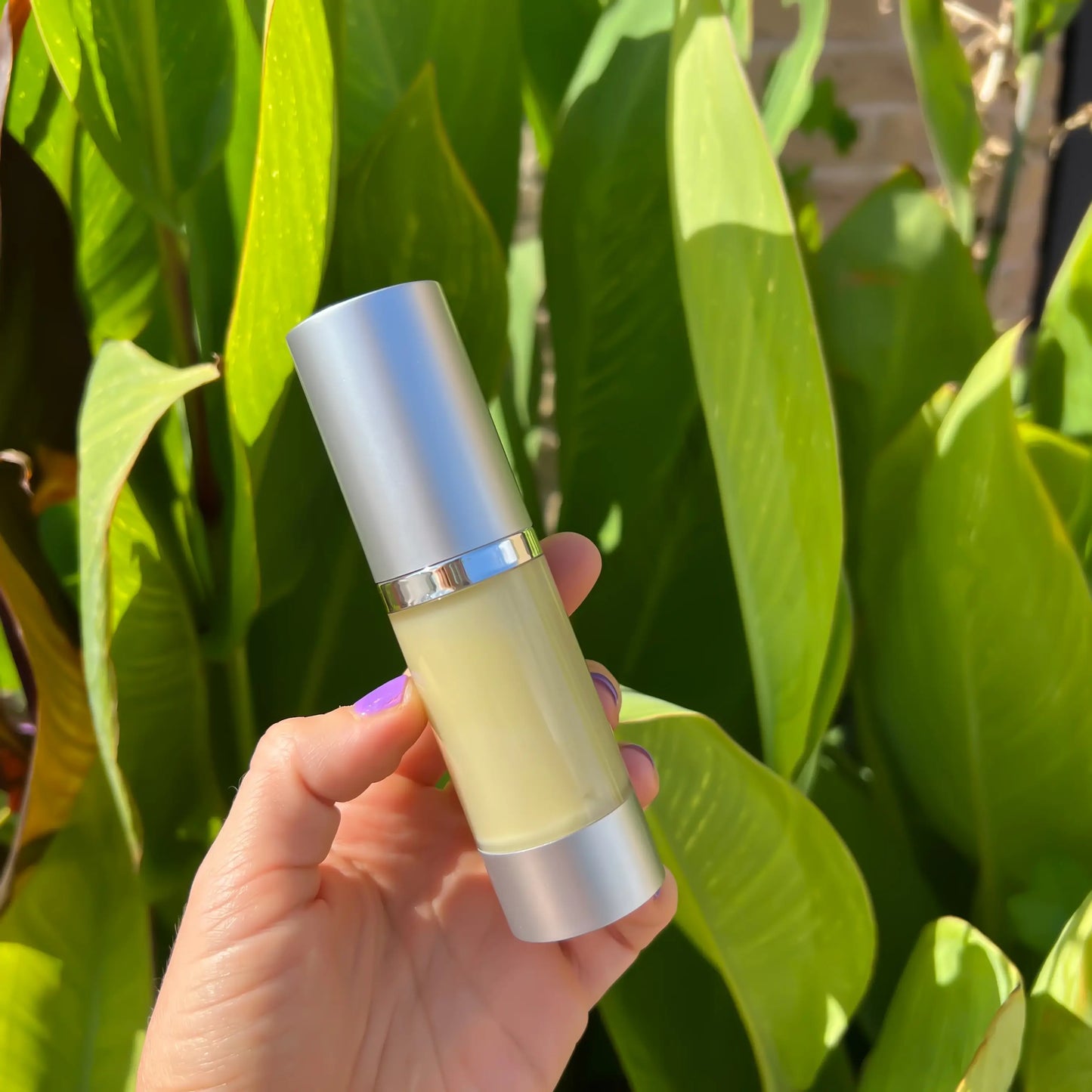
Give your customers the ultimate daytime defense with our lightweight moisturizer. This non-greasy formula provides deep hydration, creating the perfect base for makeup or worn alone. Prickly pear extract and Salicylic Acid provide antioxidant protection while beet root keeps skin plump throughout the day.

Why Daytime Moisturizer?

Why Indigo Private Label?

Our daytime moisturizer simplifies morning routines by combining three essential steps: hydration and antioxidant protection. The fast-absorbing, oil-free texture works beautifully under makeup without pilling or greasiness. Ideal for private label brands seeking an all-in-one daytime solution that appeals to busy consumers looking for effective, simplified skincare.

Why Indigo Private Label?

Frequently Asked Questions

Have questions about our skincare products? We have you covered.

A botanical face moisturizer is built primarily around plant-derived ingredients, such as botanical oils, plant extracts, and naturally sourced humectants, rather than leaning on heavy synthetic emollients or mineral oil. These formulas aim to nourish and hydrate while keeping the ingredient list plant-forward. It's worth knowing that "natural" isn't a regulated term, so the honest way to judge one is by the actual ingredients: a moisturizer led by jojoba oil, argan oil, and plant extracts like prickly pear and agave is genuinely botanical-forward, even if it also uses a few standard stabilizers to stay safe and shelf-stable.

Look for a light, fast-absorbing texture that hydrates without sitting greasy on the surface, and ingredients that won't clog pores. Humectants like hyaluronic acid and glycerin are ideal because they draw water into the skin rather than coating it, and a non-comedogenic formula keeps oily and breakout-prone skin hydrated without triggering congestion. Skipping moisturizer actually backfires on oily skin, since dehydration can push it to produce more oil, so the goal is light hydration, not none. A lightweight daytime formula with hyaluronic acid and a touch of salicylic acid fits that brief well.

It can, because texture and hydrating power are separate things. A well-formulated lightweight moisturizer can deliver real hydration through concentrated humectants like glycerin and sodium hyaluronate, paired with nourishing plant oils, without the heavy feel of a thick cream. What matters is the quality of the ingredients and how efficiently they penetrate, not how rich the product feels. For very dry skin, a lightweight daytime formula can also be layered under a richer night cream so you get all-day comfort without a greasy daytime finish.

Often yes, since plant-forward formulas usually skip common irritants like synthetic fragrance, sulfates, and artificial dyes. The caveat is that "natural" doesn't automatically mean non-reactive, because some botanical extracts and essential oils can still bother sensitive skin, so it's smart to patch-test anything new. A fragrance-free formula with soothing, hydrating botanicals is generally a gentle choice. And this applies regardless of gender: skin's core needs, hydration, barrier support, and nourishment, are the same for everyone, so a well-matched formula works for all skin types rather than being a men's or women's product.

Hydration is about water content in the skin, delivered by humectants like hyaluronic acid, glycerin, and aloe that pull moisture into the skin. Moisturizing is about sealing that water in and softening texture, which is the job of emollients and lighter oils. The most effective products do both: humectants to raise the skin's water content, and emollients to lock it in so it doesn't evaporate through the day. A formula that combines hyaluronic acid and glycerin with nourishing plant oils covers both sides of that equation.

Apply it to clean, slightly damp skin after your serums or treatments but before sunscreen and makeup. Use about a pea-sized amount, warm it between your fingertips, then press and smooth it over your face and neck in upward motions. Give it a minute or two to absorb fully before layering anything else on top. As the last step in your morning skincare routine, it locks in hydration and leaves a smooth base for sunscreen and makeup.

Many dermatologists actually prefer keeping moisturizer and sunscreen as separate products. Sunscreen needs a specific amount to hit its labeled protection, roughly a quarter-teaspoon for the face, while how much moisturizer you need varies by skin type, so combining them usually shortchanges the SPF. Separate products also let you reapply sunscreen every couple of hours without piling on more moisturizer. A dedicated daytime moisturizer is designed to layer cleanly underneath whichever sunscreen you prefer, so you control hydration and sun protection independently.

Adjusting with the seasons can help, since the air around your skin changes. Summer humidity and heat usually call for lighter, faster-absorbing formulas that don't feel heavy, while winter's dry air and indoor heating often need something richer to hold moisture in. That said, a well-built lightweight moisturizer can carry you year-round if it hydrates well without feeling heavy; in the driest months you can simply layer a richer cream at night rather than swapping your daytime product entirely.

Contact Us

Please include brand name and website if applicable and a member of our team will get backto you shortly. We look forward to connecting with you to discuss any upcoming projectsor answer any questions you may have. 

Contact form