

How Long Does Vitamin C Serum Take to Work? A Brand Results Timeline Customers Can Trust
Customers expect fast results from a vitamin C serum, and that gap between expectation and reality is one of the most common challenges founders face at launch. How long does vitamin C serum take to work? The honest answer depends on the benefit, the formula, and the customer.
In this blog, we will give brands a clear timeline to work from, explain why results vary, and show how to message those results in a way customers can actually believe.
The Short Answer Brands Should Lead With
When customers ask, “How long does vitamin C serum take to work?”, a good brand gives a layered answer. Early signs, such as a fresher-looking complexion or a smoother skin feel, can appear within the first 1-2 weeks.
Visible brightening and a more even-looking tone generally take longer, closer to 3-8 weeks of consistent use. More meaningful texture improvements may not show up until weeks eight through twelve.
Separating "first noticeable changes" from "peak visible payoff" makes your messaging feel honest rather than inflated. Indigo's Vitamin C Serum is a practical example of how to translate this into customer-facing copy without overpromising at any stage.
|
Stage |
Timeframe |
What Customers May Notice |
|
Early signs |
Weeks 1 to 2 |
Fresher feel, surface radiance |
|
Visible improvement |
Weeks 3 to 8 |
Brighter, more even-looking tone |
|
Longer-term payoff |
Weeks 8 to 12+ |
Refined texture, sustained clarity |
Realistic Timeline for Vitamin C Serum Results
Understanding how long vitamin C serum takes to work means breaking results into three distinct windows. Each one offers a different messaging opportunity for brands.
Weeks 1-2
In the first two weeks of using a vitamin C serum, customers may notice surface-level shifts. Skin can look fresher, feel smoother, and take on an early radiance.
These are real and worth communicating, but this is not the stage for bold dark-spot or firmness messaging. Lead with feel-good early wins rather than visible correction claims.
Weeks 3-8
This is where many customers start to see more visible brightening and a more even-looking tone. Early texture refinement may become noticeable with consistent daily use.
Messaging during this window works well with phrases like "many users may begin to notice" or "with continued use, skin can appear more balanced." This stage rewards honest expectation-setting.
Weeks 8-12 and Beyond
Steady use of a vitamin C serum over 8-12 weeks opens the window for more meaningful visible payoff. Skin can look clearer, more refined, and more consistently bright.
Keep language gradual here. Phrases like "supports a more even appearance over time" reflect the reality of how vitamin C works without setting customers up for disappointment.
Brands that map their messaging to these three stages give customers a roadmap rather than a mystery, which builds longer-term trust and stronger repurchase rates.
Why Vitamin C Serum Timelines Vary So Much

Not all vitamin C serums perform the same way, and brands should never position them as if they do. Several variables shape how quickly a formula delivers visible results.
The form of vitamin C matters significantly. L-ascorbic acid is the most studied form but requires careful stabilization. Derivatives such as ascorbyl glucoside or sodium ascorbyl phosphate tend to be gentler and more stable, though they may work more gradually.
Concentration plays a role, too, as does the supporting cast of ingredients in the formula. A well-built base that includes hydration support and antioxidant partners can help the active work more effectively.
Packaging stability, skin type, and how consistently a customer applies the serum all add further variation. Two customers using the same product can report different timelines based on these factors alone.
For founders, this is an important brand positioning point. Working with serum manufacturers who understand formula construction gives brands two clear paths. Indigo offers ready-to-label skincare manufacturing for a faster launch and custom development for a more distinct formula story. Both routes include guidance on ingredients, branding, packaging, and label design.


Common Messaging Mistakes Brands Should Avoid
Even well-intentioned brands slip into messaging patterns that undermine customer trust over time. Here are the most common mistakes to avoid when positioning a vitamin C serum.
- Collapsing every benefit into one timeline, as if glow, tone correction, and texture refinement all arrive at the same moment.
- Using instant-result framing for concerns that genuinely require weeks of consistent use.
- Writing vague copy like "works fast" without defining what "fast" actually refers to in your formula.
Phrases worth using instead include "many users may notice," "with consistent use," and "results can vary by routine and formula." Serum manufacturers who understand cosmetic compliance can also guide brands away from claim language that crosses into drug territory. Staying precise builds far more credibility than chasing enthusiasm.
How Brands Can Build a More Credible Vitamin C Offer
Building a credible vitamin C serum offer starts with understanding what you are selling before you sell it. Indigo's Skincare Sample Kit gives founders a hands-on way to validate texture, absorbency, and fit before committing to production. That step matters because how a serum feels on skin shapes how customers talk about it and how they reorder.
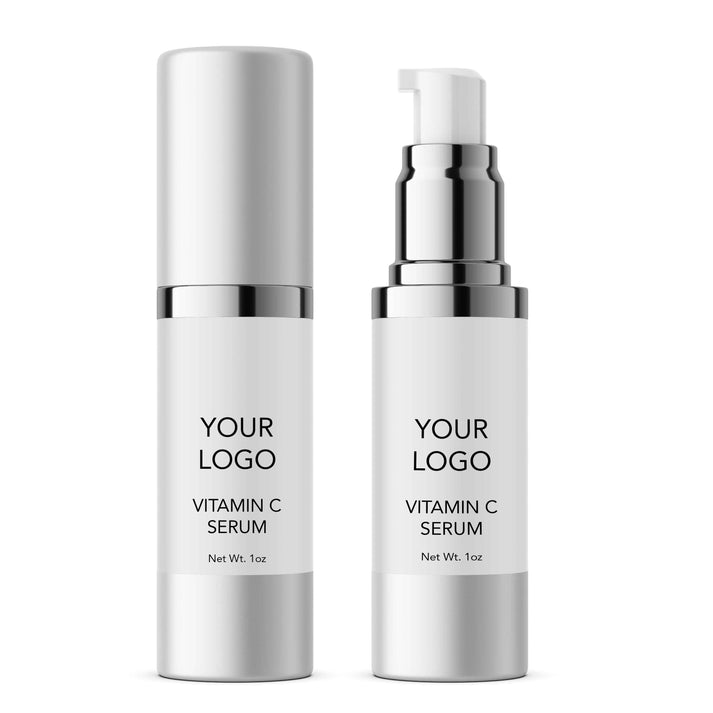
For founders who want a faster path to market, Indigo's Vitamin C Serum is a ready-to-label option with a clear ingredient story and a formula founders can position confidently. Custom development is available for brands that want a more distinct positioning angle or a specific ingredient profile.
Indigo Private Label prepares orders on demand and operates with low-to-no minimum order requirements, allowing founders to test the market without overcommitting stock. For small skincare orders, label approvals are handled through digital proof rather than a physical pre-production sample, keeping the process lean and the timeline realistic.
FAQs
How long does vitamin C serum take to work?
A realistic timeframe is 8-12 weeks of consistent daily use. Concentration plays a role, but consistency matters more than using a higher percentage irregularly.
How often should a vitamin C serum be used for best results?
Daily use is a reliable starting point for most customers. What matters most is applying it consistently over time.
What should a brand look for when choosing a vitamin C serum to private-label?
Prioritize a stable formula in protective packaging, such as opaque containers with airtight closures. Partner with manufacturers that offer low MOQs and sampling to test the serum before committing to a full run.
How do I know if a vitamin C serum formula is stable enough to private-label?
A well-formulated vitamin C serum should maintain its color and consistency over its intended shelf life. Yellowing or browning of the formula indicates oxidation.
Build a Vitamin C Serum Customers Can Believe

Believable timelines build stronger brands than inflated promises. Customers who receive honest expectations are more likely to stay consistent, notice real results, and come back for more. The three-part framework, early feel, visible brightening, and the longer consistency window give founders a clear structure for messaging that holds up across every touchpoint.
Get started with Indigo Private Label to build a vitamin C serum that customers trust enough to use daily.


