
How to Choose a Serum Manufacturer in 2026: MOQs, Certifications, and Compliance Checklist
Two quotes from serum manufacturers can look identical, with the same price, the same turnaround, and the same promises. Then you notice the word “minimum.”
That one detail can shift your budget, delay your packaging, or block your launch entirely. The wrong manufacturing partner usually reveals itself through surprise order quantities, labeling confusion, or compliance gaps.
In this blog, we will walk you through how to build a clear serum brief, understand minimum order quantities, and ask for the right documentation. We will also cover how to compare serum manufacturers and what to expect during the sample stage.
Serum Brief Checklist Before You Compare Manufacturers
Before contacting private label skin care partners or serum manufacturers, define your serum brief:
- Clarify the basics. Is your serum water-based or oil-based? What skin concern are you addressing? What finish do you want? Lightweight and quick-absorbing? Or richer and more nourishing?
- Then consider packaging. A dropper feels premium; a pump feels controlled. If your formula includes sensitive actives, airless packaging may help preserve the integrity of the formula.
- Next, define your sales channel and timeline. Direct-to-consumer launches often prioritize speed, while retail launches require longer planning.
- Finally, decide between private label and custom formulation. Private-label skin care enables faster market entry with fewer variables. Custom development makes sense if you want a signature texture or hero ingredient.
Many founders begin with ready-to-brand formulas, validate demand, and then scale into custom products.
MOQ Breakdown: What Minimum Means When Working With Serum Manufacturers
MOQs can look simple at first, but they often include multiple minimums. Ask about these four areas before you compare costs:
- Minimum units per stock-keeping unit.
- Minimum formula batch size.
- Minimum packaging quantities for bottles, droppers, or cartons.
- Minimum label print runs.
Missing even one of these can distort your budget. You might plan for 500 units, then find out the bottle supplier requires 2,000 pieces. At that point, your cash flow plan shifts.
Also, clarify one-time costs. Tooling, testing, artwork revisions, and warehousing fees may appear separately from the per-unit price.
When comparing serum manufacturers, request a detailed cost breakdown, and ask them to separate formula, filling, packaging, labeling, testing, and freight. Then distinguish between one-time charges and recurring costs. Seeing the full picture of your private-label skin care partner's services and costs prevents unpleasant surprises.
2026 Compliance Checklist For Private Label Skin Care Serums

Compliance protects your brand reputation and your customers. The Modernization of Cosmetics Regulation Act introduced clearer accountability standards in the United States. You do not need to become a legal expert, but you do need to ask structured questions.
Confirm Who Handles MoCRA Duties
Every cosmetic product must list a responsible person on the label. That individual or company ensures regulatory compliance. Ask your serum manufacturers:
- Who will serve in the MoCRA role?
- Who submits product listing details to the U.S. Food and Drug Administration?
- Who maintains the required records?
- Who handles adverse event reporting if a customer experiences irritation?
Get clarity on these questions in writing. Even when you outsource production, brand accountability still appears on the label.
Label Requirements You Should Validate Before Printing
Label errors are expensive. Before you approve artwork, confirm that your identity statement is accurate.
- Verify net contents formatting.
- Ensure ingredients appear in proper order.
- Confirm name and address details.
If you are listed as a distributor rather than a manufacturer, wording must reflect that. Ask your partner to validate the principal display panel layout before printing large quantities. A quick label confirmation prevents expensive reprints. Small checks now prevent major delays later.
Safety and Quality Documents to Request Upfront
A polished sample does not guarantee production consistency. Request a documentation pack that includes:
- Finished product specifications
- Batch traceability processes
- Stability rationale
- Microbiological testing summaries
- Packaging compatibility notes
- Change control procedures
Clear documentation signals operational discipline. Even if the sample looks perfect, minor color variation months later can trigger customer complaints. Ask these questions early and verify thoroughly.
This clear compliance checklist will help you compare serum manufacturers beyond price alone. It also provides your private-label skin care launch with a stronger foundation before production begins.
Batch Consistency Checks to Ask Serum Manufacturers
Samples show what is possible; your manufacturer’s process shows how reliable production will be. Ask serum manufacturers:
- How do they monitor batch consistency?
- Do they track viscosity, color, odor, and fill weights?
- How do they document results?
- How are raw material substitutions handled?
- What triggers re-approval?
- How are you notified?
Pay attention to subtle warning signs such as vague testing explanations, unclear lead times, or confusion about formula ownership. A structured workflow builds trust.
At Indigo, smaller stock orders involve digital label proof approval before production, while larger custom orders may include a final pre-production sample before filling begins. Such clear checkpoints reduce risk. When evaluating serum manufacturers, prioritize transparency over enthusiasm.


What To Vet For Trending Actives: Bakuchiol Serum Example
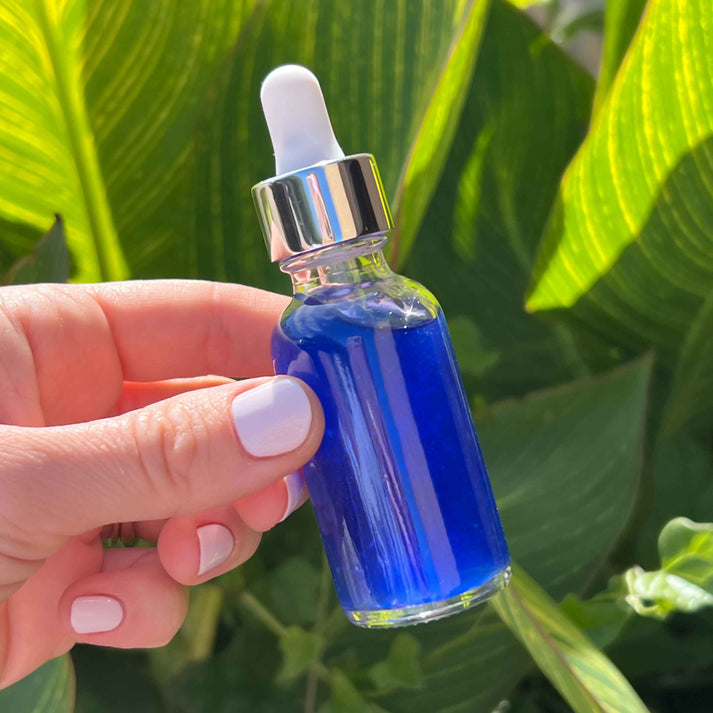
Trending ingredients raise expectations. Take, for example, a bakuchiol serum. Often positioned as a plant-based alternative to retinol, it attracts ingredient-aware customers. That attention increases scrutiny.
If you plan to launch a bakuchiol serum under a private label skin care model, ask about packaging protection.
- Does the formula require airless packaging?
- What appearance changes are acceptable over shelf life?
Clarify claim boundaries. Focus on cosmetic language, such as improving the appearance of texture or smoothness, and avoid overstated promises. Trend ingredients can elevate your brand. They also demand stronger operational discipline. Vet deeply before moving forward.
Ready To Move From Checklist To A Real Sample Set?
 Shortlist two or three serum manufacturers and request identical documentation from each. Compare them side by side and test samples under similar conditions. Take notes on texture, packaging feel, and consistency.
Launching a serum does not need to feel overwhelming. Ask better questions, choose thoughtfully, and then build with confidence. If you prefer a structured, step-by-step approach to private-label skincare, you will find detailed guidance on our Getting Started page.
Explore Indigo Private Label’s Getting Started page to turn your checklist into a confident first step.


