

Peptide Serum Formulation: The 5 Most Requested Actives for Private Label Lines
Peptides make a serum feel clinical. Not harsh. Not intimidating. Just effective.
That is why founders often request a peptide serum for the face when launching a premium product. It sounds science-backed and feels serious. Customers already trust the word.
In this blog, we will break it all down, from how peptide serums work to the five most requested actives brands want in private label serums today, using Indigo Private Label’s copper peptide serum as a working example.
What Makes a Peptide Serum Effective in Real Use
Peptides are short chains of amino acids. Think of them as tiny messengers. In skincare products, peptides are used to support how skin looks. Firmer. Smoother. More refreshed. Most cosmetic peptide serums fall into three buckets.
- Signal peptides help maintain a firm, smooth appearance.
- Carrier peptides bind to minerals such as copper and facilitate their delivery.
- Neurotransmitter-inhibitor peptides are often positioned for expression-line appearance.
Here is the part many founders miss. Great peptide products are systems. They pair peptides with hydration and barrier-supporting ingredients. That is what makes results feel real when customers apply the serum in the morning or at night.
The 5 Most Requested Actives for Private Label Peptide Serums
This is where brands get specific. Below are the five actives founders' requests again and again when building a peptide serum. Each one plays a role, and each one has limits, so positioning matters.
1) Copper Tripeptide-1 (GHK-Cu) as The Hero Carrier Peptide
Copper tripeptide-1, often called GHK-Cu, is a carrier peptide. It binds copper to a short peptide chain. Brands request it because it carries weight. It feels premium and advanced. Customers associate it with visible skin renewal. In a peptide serum for the face, copper peptides are usually the hero. They anchor anti-aging stories.
How to market it responsibly:
- Supports firmer-looking skin.
- Helps reduce the appearance of fine lines.
- Leaves skin looking revitalized.
- You must avoid medical or wound-healing claims.
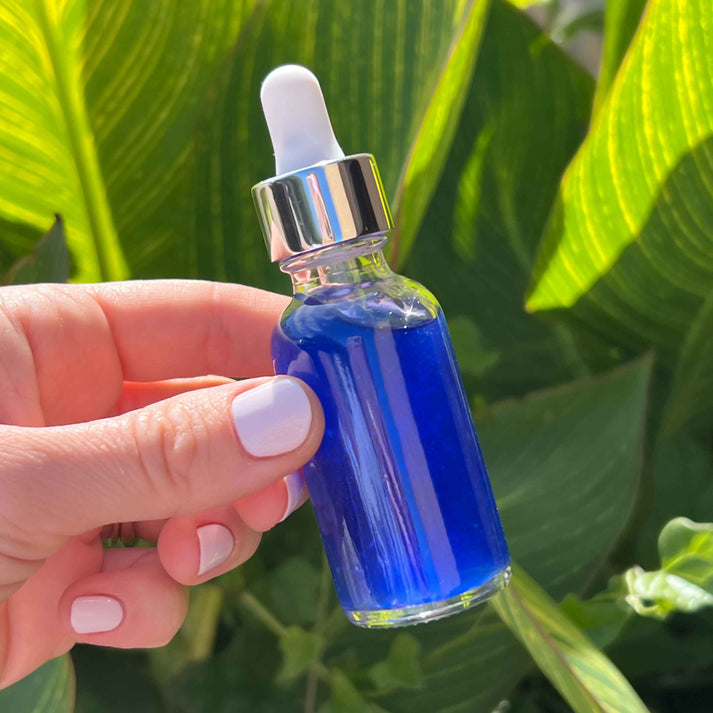
Indigo Private Label’s GHK-Cu Peptide Serum includes Copper Tripeptide-1 at a stated 1% GHK-Cu concentration. This gives founders a clear, defensible hero story without overpromising.


2) Acetyl Hexapeptide-8 for Expression Line Messaging
Acetyl hexapeptide-8 is requested for one reason. Brands want a wrinkle-softening story that stays cosmetic. You may hear it compared to injectables. That is where caution matters.
In a peptide serum, this ingredient is best positioned gently. Smart claims include:
- Helps soften the appearance of expression lines.
- Promotes smoother-looking skin texture.
This peptide appears in Indigo’s GHK-Cu Peptide Serum ingredient list, supporting a multi-peptide approach rather than a single-hero formula.
Some reviews note promising signals while raising questions about delivery. That is useful. It reminds brands to stay conservative and credible.
3) Palmitoyl Tripeptide-5 for Firmness and Bounce
This is a classic signal peptide. Simple story. Strong appeal. Brands love it because customers understand the benefit fast. Firmness. Bounce. Plumpness.
In a peptide serum for the face, it pairs well with copper peptides. One leads and one supports. Position it like this:
- Supports firmer-looking skin.
- Improves the look of elasticity.
- Helps skin appear plumper.
Avoid guaranteed collagen claims unless you hold specific substantiation. Palmitoyl tripeptide-5 is part of Indigo’s copper peptide serum formula, reinforcing the idea that peptide serums work best as layered systems.
4) Niacinamide as a Support Active in Peptide Serums

Niacinamide is not a peptide, but it earns its place. Founders ask for it because it improves how a serum feels and performs: smoother texture, more even-looking tone, and better daily wear.
In private label serums, niacinamide helps customers notice results faster. That builds trust.
Market it simply:
- Helps improve the look of uneven tone.
- Supports smoother-looking skin.
- Refines the appearance of texture.
Niacinamide appears early in Indigo’s GHK-Cu Peptide Serum ingredient list, showing its importance in the overall experience.
Formulation Note: Niacinamide affects the feel. Always test samples. What feels silky in theory can feel sticky in practice.
5) Sodium Hyaluronate for Hydration and Skin Feel
Hydration sells. Fast. Sodium hyaluronate is the salt form of hyaluronic acid. It holds water in the skin. That makes peptides feel effective. Customers notice plumpness first. Then they believe the rest.
In skincare products, this ingredient supports nearly every peptide claim by improving comfort.
Use claims like:
- Hydrates.
- Plumps the look of skin.
- Helps reduce the appearance of dryness lines.
Sodium hyaluronate is included in Indigo’s peptide serum, supporting a more hydrated skin feel.
Formulation Tip: Think about the finish. Dewy or satin. That choice shapes your brand.
If you want a peptide serum for the face that customers stick with, the stack has to feel good first. Then your claims have something real to lean on.
How to Position a Peptide Serum for the Face Clearly
Positioning a peptide serum for the face works best when you guide customers instead of trying to impress them. Most people are not looking for complex science. They want to understand what the serum helps with and why it fits into their routine. A simple benefit ladder keeps messaging clear.
- Start with the actives story, such as copper peptides supported by signal peptides and expression-line peptides. This gives your formula credibility without overwhelming the customer.
- Next comes the support story. Ingredients like sodium hyaluronate and niacinamide help support hydration and texture, which customers often notice quickly. These early wins make the peptide story feel more believable.
- End with the result story. Use cosmetic language like firmer-looking, smoother-looking, and more hydrated skin.
We use this science-backed, readable framing in our education for private-label serums, helping brands sell confidently without crossing claim lines.
Formulation and Packaging Realities for Peptide Serums
A peptide serum can look perfect on paper and still fall flat once someone uses it. That usually comes down to feel. Thickness, slip, and how quickly it settles into the skin matter more than most founders expect. Peptides tend to behave best in calm, well-balanced formulas.
Overloading the base with fragrance or heavy thickeners can distract from the experience, especially for customers who plan to use the serum every day. For that reason, subtle or fragrance-free profiles are often a better fit.
Packaging adds another layer. We present our GHK-Cu Peptide Serum in a glass dropper bottle, though the formula can be filled into other containers. That flexibility helps if you already have packaging locked or want to match an existing line.
This is where samples earn their place. Testing the serum on real skin, over several days, reveals things a spec sheet never will. It is a slight pause that prevents expensive corrections later.
Your Private Label Path With Indigo (From Sample to Production)

Most peptide serum launches start with a simple choice rather than a big strategy.
Do you want one clear hero, or a formula that quietly does several things well at once? Both routes work when they match the brand behind them.
Once that decision is made, sampling becomes the focus. Founders typically evaluate how the serum absorbs, how it layers, and whether the finish feels appropriate for morning and night use. Label proofs often come into play here, making the product feel real for the first time.
Production typically moves ahead after final sample approval and digital proof approval. If you are sending your own packaging or labels, we start once we receive them, depending on the order setup. That checkpoint creates breathing room and avoids rushed decisions. It also makes launch timelines easier to plan and easier to stick to.
We offer some flexibility within this process. Small formula adjustments are possible, which suit brands that want alignment with their values without taking on full custom development.
Build a Peptide Serum Customers Use and Reorder
Most peptide serums people stick with peptide serums, those that fit easily into everyday use. They feel good on the skin, behave the same way every time, and do not promise more than they can deliver.
When peptides are supported by solid hydration and a comfortable finish, customers tend to keep using the product without hesitation. That kind of consistency is what turns a serum into a repeat purchase.
If you want a simple place to start, explore Indigo’s GHK-Cu Peptide Serum and test it yourself.


