

Hyaluronic Acid Benefits for Private Label Brands: Marketing the Science
Hyaluronic acid shows up on countless labels, but the brands that win explain why it works in language customers understand. Everyone talks about “hydration,” but you need more than a buzzword to stand out. What makes your serum different is clarity: the form of hyaluronic acid, how it performs on the skin, and how to use it for visible results without overpromising.
In this blog, we will break down the science behind hyaluronic acid's benefits, translate it into claim-safe messaging, and map it into a content workflow for your private-label products. Then we will show how to apply it to Indigo’s Hyaluronic Acid Serum.
Hyaluronic Acid Explained in Simple Skincare Terms
Hyaluronic acid, or HA, is a moisture-binding ingredient. You will find it in many skincare products because HA helps skin feel soft, plump, and hydrated. HA may be hyaluronic acid or sodium hyaluronate, depending on the formulation. Its main trick? Humectants like HA attract water to your skin.
Supporting ingredients such as glycerin and betaine help keep it comfortable, smooth, and flexible. Think of HA as a tiny sponge on your skin’s surface. It does not magically “heal” or “change” your skin structure. It just makes the top layer feel hydrated and bouncy. That’s why it is a favorite for serums, creams, and boosters.
Hyaluronic Acid Benefits Customers Can See and Feel
Focus on the Hyaluronic acid benefits your customers can see and feel:
- Instant Hydration: Skin feels softer and less tight.
- Plumper Appearance: Skin looks bouncier and smoother.
- Smoother Texture: Fine dehydration lines appear reduced.
- Healthy Glow: Hydrated skin reflects light better.
Clinical evaluations of topical Hyaluronic acid serums have shown measurable increases in hydration and improvements in attributes such as smoothness and plumping over weeks of use.
It is important to clarify what Hyaluronic acid is not. It does not exfoliate. It is not a prescription-style treatment. Messaging should focus on hydration, softness, and bounce, benefits customers notice quickly.
Use clear, visual language to explain how Hyaluronic acid works so customers understand why your serum stands out among today’s crowded skin care products.
Hyaluronic Acid Forms and Why They Matter for Marketing

Not all HA is created equal. Different molecular weights affect how HA feels on the skin. High-molecular-weight Hyaluronic acid sits on the surface for instant hydration and plumping. Lower-molecular-weight HA provides subtle softness and smoothness. Multi-form hydration gives your serum a sensory edge: slip, cushion, and comfort.
Marketing should avoid lab jargon. Highlight “surface plumping” or “soft, smooth finish” rather than penetration claims. Customers care about visible results and how it feels. So position these sensory outcomes as your differentiator.
By clearly communicating the form and effect of Hyaluronic acid, you help your brand stand out. This approach allows you to translate the science of HA into claim-safe, customer-friendly language across product labels, product pages, and educational content.
Indigo’s Hyaluronic Acid Serum: What’s In It and How to Market It
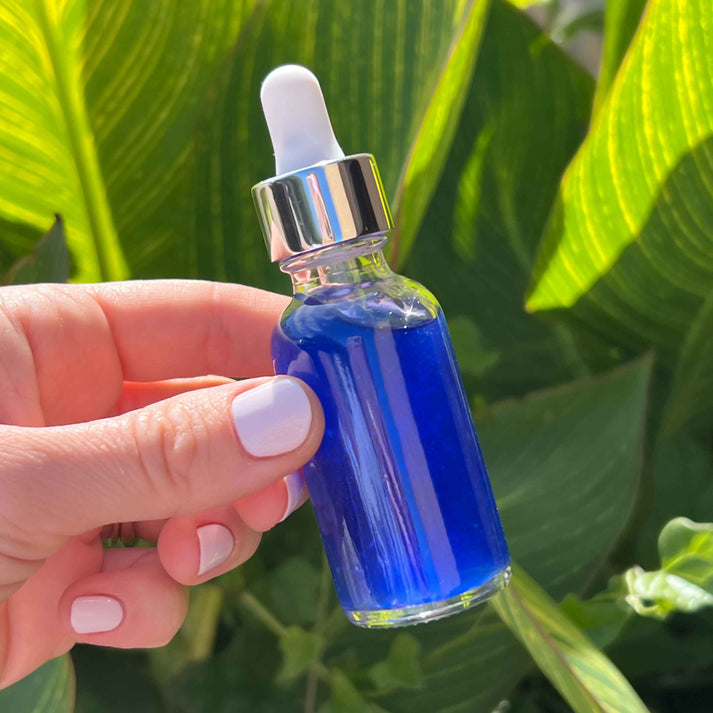
Indigo’s Hyaluronic Acid Serum is a lightweight, refreshing formula that hydrates skin and leaves it softer and more radiant. It smooths the look of fine lines caused by dryness and gives skin a plump, healthy feel.
The key ingredients make it easy to explain to customers:
- Sodium hyaluronate for instant hydration.
- Glycerin and betaine help lock in moisture.
- Botanical extracts like prickly pear and agave for extra skin comfort.
For private-label products, label options are available, and customizable labels require a minimum order of 12. Marketing should stay simple. Focus on hyaluronic acid benefits customers can see and feel: hydrated, soft, plump-looking skin. It also integrates easily into skin care products focused on everyday hydration.


A Claim-Safe Framework for Marketing Hyaluronic Acid
Marketing hyaluronic acid works best when you keep it simple and relatable. You want customers to understand Hyaluronic acid benefits without confusing them or overpromising.
Step 1: Build a 3-Layer Benefit Ladder
Think of it as a chain: the feature is Hyaluronic acid and humectants, the function helps draw water to the skin’s surface, and the result is soft, plump-looking skin that your customers can feel.
Step 2: Write Claims That Stay Cosmetic
Use phrases like “helps hydrate,” “supports moisture,” or “reduces the appearance of fine lines (from dryness).” Keep it friendly and avoid anything that sounds like a medical treatment.
Step 3: Support Claims Without Exaggeration
Show that your messaging is backed by evidence with phrases like “clinically evaluated ingredients” or “measurable hydration.” It reassures without exaggerating.
Once you have this ladder, you can reuse it across labels, product pages, and email copy. It keeps your hyaluronic acid benefits clear, compliant, and easy to shop.
Content Ideas That Support Private Label Skin Care
Your content should match where it lives:
- Product Detail Page (Product Page): How it works, How to use, Texture and finish, Pairs well with, and FAQ.
- Education Blog: Hyaluronic acid myths, Damp skin and seal tip, morning and night routine.
- Retail and Wholesale Sheet: 5 bullets max; include who it’s for and usage directions.
Tie each asset to your private label products strategy. Customers should see consistency from the blog to the product page and other sales assets. This strengthens credibility and encourages repeat purchases. For example, a blog tip like “Apply to damp skin” flows directly into product page instructions and educational content.
Build a Simple Hydration Routine Around One Serum

Show your customers where Hyaluronic acid fits in a simple routine. In the morning, cleanse, apply Hyaluronic acid serum, and follow with daytime moisturizer. At night, cleanse, apply Hyaluronic acid serum, and seal it in with nighttime moisturizer. That is optional, but useful.
Pair your Indigo Hyaluronic Acid Serum with adjacent serums if it fits your brand direction. For example, a Vitamin C Serum in the morning boosts radiance, while a Niacinamide Serum at night supports skin comfort.
Keep it approachable: say “You can layer lightly if you like, but HA works beautifully on its own.” Customers want guidance and flexibility. This positions your serum as the hero of the routine without overwhelming them with steps.


Launch a Hydration Hero Under Your Label
If you want a science-led “hero hydrator” that is easy to explain and reorder, start with a hyaluronic acid benefits story that is claim-safe, visual, and routine-based. Align your product page and content to Indigo’s samples, digital proof approval, and production process.
This ensures that what you promise matches what customers feel. Build your brand story around Indigo’s Hyaluronic acid serum. Then move through the workflow with confidence. Your serum becomes more than a product. It becomes the hydration hero your customers can trust, use, and reorder.
Start with Indigo’s Hyaluronic Acid Serum and launch a hydration hero your customers will reorder.


