

What Makes a Top Hair Growth Shampoo? 6 Things Founders Should Check
Two shampoos can both promise healthier, fuller-looking hair and still be very different once you look at the formula.
For beauty founders, that is where the real evaluation begins. A long ingredient list can look impressive, but what matters more is how those ingredients work together and how clearly you can explain their role to your customers.
When we look at a top hair growth shampoo formula, we consider the hero ingredients, supporting botanicals, moisture and conditioning support, cleansing system, marketing claims, and where the shampoo fits into a complete haircare routine.
Here are six things we recommend checking before choosing a formula for your line.
Checklist #1: Start With a Hero Ingredient Customers Can Understand
A strong formula should give customers an easy answer when they ask, “What makes this shampoo different?”
Caffeine is a good example.
Research has shown that caffeine applied through a shampoo formulation can reach the hair follicles, even after a relatively short contact time. A more recent systematic review also found encouraging results across studies of topical caffeine products.
For founders, that gives caffeine a recognizable ingredient story without asking it to make promises the research cannot support.
Caffeine is part of our Hair Growth Shampoo formula, but the bigger lesson applies to any product you choose for your line. Your hero ingredient should make sense for the formula, connect with the customer's concern, and support the type of messaging you want to build around the product.
The goal is not to fit as many trending ingredients as possible onto the front label. It is to give your customer a clear reason to understand and remember the formula.
Checklist #2: Give Supporting Botanicals a Clear Role
Hero ingredients may lead the conversation, but the ingredients around them can give a shampoo much more depth.
The key is making sure they belong in the same story.
Our Hair Growth Shampoo pairs its lead ingredients with botanicals and fermented ingredients, including rosemary leaf oil, ginseng, centella asiatica, green tea leaf oil, chlorella, spirulina, alfalfa culture, and lactobacillus ferment lysate.
You do not need to make every ingredient compete for attention.
Think of the formula as an ingredient hierarchy. One or two ingredients can lead your marketing, while the rest help create a more complete product story.
That approach usually makes packaging easier to understand, product descriptions easier to write, and the formula easier for customers to remember.
Rosemary Has a Familiar Haircare Story
Rosemary has become one of the most recognizable botanicals in modern haircare, and there is research behind some of that interest.
One randomized study followed people with androgenetic alopecia using topical rosemary oil for six months and reported an increase in hair count at the six-month point.
There is an important distinction for beauty brands, though. That research looked at a specific topical rosemary oil treatment. It was not a study of every shampoo that contains rosemary.
Our Hair Growth Shampoo contains rosemary leaf oil as part of its botanical blend, so rosemary can naturally be part of the ingredient story. We would simply keep the marketing focused on the actual formula rather than borrowing claims from a different product format.
That keeps the story both interesting and credible.
Let the Supporting Ingredients Add Depth
Ginseng, centella, green tea, chlorella, spirulina, alfalfa culture, and fermented ingredients give founders additional details to talk about without making every ingredient the star.
A customer should be able to understand the formula quickly.
If the product description becomes a long list of ingredients followed by a long list of promises, the strongest message often gets lost.
Instead, decide which ingredients lead the story and let the supporting blend show the thought behind the complete formula.
Checklist #3: Pay Attention to How the Hair Feels Too
Customers may discover a shampoo because they want fuller, healthier-looking hair. Their experience with the product also depends on how their hair feels after washing.
That is why we look beyond the headline ingredients.
Our Hair Growth Shampoo also includes glycerin, panthenol, aloe vera, argan oil, jojoba oil, and coconut oil as part of the complete formula.
These ingredients help round out the moisture and conditioning side of the product, giving founders more than one benefit story to work with.
That balance matters.
Your customer may be interested in scalp care and fuller-looking hair, but they also notice whether their hair feels manageable, soft, conditioned, and pleasant to work with after every wash.
Those more immediate qualities can make a routine easier to enjoy consistently.
For founders, this is a useful reminder that the most marketable ingredient is only one part of the product experience. A strong shampoo formula still needs to feel like a shampoo your customer wants to reach for again.
Checklist #4: Look at the Cleansing System, Not Just the Hero Ingredients

Botanicals and recognizable actives make great marketing copy, but they still sit inside a cleansing formula.
So it is worth looking at the ingredients doing the everyday work of shampooing, too.
In our Hair Growth Shampoo, Cocamidopropyl Betaine, Sodium Cocoyl Isethionate, and Sodium C14-16 Olefin Sulfonate form part of the cleansing system.
You do not need to turn those names into a chemistry lesson on your product page.
As a founder, however, understanding the base formula helps you evaluate the product as a whole.
Ask yourself:
- Does the formula bring cleansing and conditioning together in a way that makes sense?
- Are the botanicals and oils part of one clear story?
- Can you explain the main benefits without overwhelming the customer?
- Does the shampoo feel like a product that belongs in the routine you are building?
A top hair growth shampoo should work as a complete product, not simply as a vehicle for a list of headline ingredients.
Checklist #5: Make Sure Your Marketing Matches the Formula
A good formula becomes easier to sell when the language around it is clear, specific, and supportable.
Before you approve your label or product page, compare three things:
- What is actually in the formula?
- What benefit do you want to communicate?
- What support do you have for that wording?
This becomes especially important in the hair growth category.
The FDA explains that claims about restoring hair growth can affect whether a product is considered a cosmetic or a drug because those statements may suggest an effect on the body's structure or function.
For a cosmetic shampoo, there is still plenty you can communicate.
Depending on the support behind your specific formula, messaging can focus on areas such as scalp care, cleansing, conditioning, manageability, moisture, and healthier or fuller-looking hair.
This style of marketing is also easier for customers to understand.
Rather than asking one ingredient to promise a dramatic transformation, you can explain what the complete formula is designed to bring to the routine.
For founders, that usually creates a stronger long-term product story.
Checklist #6: Think About the Routine You Are Building
A shampoo does not have to carry your entire haircare story by itself.
A thoughtful range gives each product its own job.
Shampoo handles the cleansing step. A serum stays on the scalp rather than being rinsed away, so it naturally plays a different role within the routine.
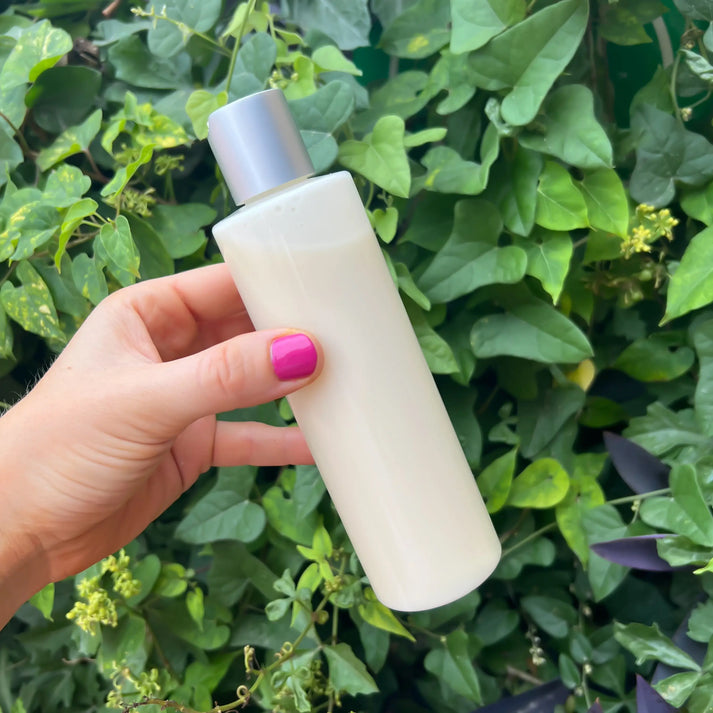
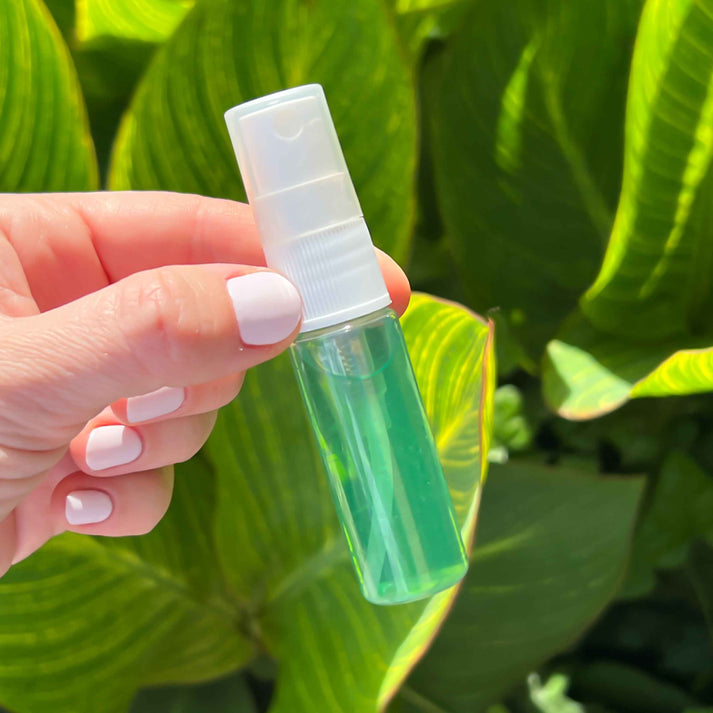
That is why we offer both our Hair Growth Shampoo and Hair Growth Serum.
The two formulas share several botanical themes, including rosemary, ginseng, centella, green tea, chlorella, spirulina, aloe, and ferment-based ingredients. That gives founders the opportunity to create a connected routine while still letting each product have a clear purpose.
You can take the same approach when planning the rest of your collection.
Instead of choosing products independently, think about how your customer will move through the routine. Each formula should make sense on its own and feel even more intentional when used alongside the others.
That creates a haircare collection that is easier for customers to understand and easier for you to market.
6-Point Test for Choosing a Top Hair Growth Shampoo
Before adding a formula to your line, come back to these six questions:
- Is there a recognizable hero ingredient? Choose a formula with an ingredient story you can clearly and confidently explain.
- Do the supporting botanicals make sense together? Look for a cohesive blend rather than ingredients added simply because their names are popular.
- Does the formula care for the hair itself? Moisture, softness, conditioning, and manageability still contribute to the customer experience.
- Does the cleansing system make sense? A shampoo needs to deliver a satisfying cleansing experience as well as an appealing ingredient story.
- Can you support the claims you want to make? Let the actual formula and available evidence guide your marketing.
- Does the shampoo fit into a wider routine? Think about how it works alongside a serum, conditioner, or other products already in your haircare collection.
A standout formula does not need the longest ingredient list. It needs a clear purpose, a thoughtful combination of ingredients, and a product story your customer can understand.

FAQs
Can shampoo really make hair grow?
A cosmetic shampoo can support scalp care and healthier or fuller-looking hair, but claims about restoring hair growth require careful consideration. Keep your marketing aligned with the benefits your specific cosmetic formula can support.
Is caffeine useful in a hair growth shampoo?
Topical caffeine has encouraging research behind it, including evidence that caffeine from a shampoo formulation can reach hair follicles. Research is still developing, so ingredient studies should support the story rather than become proof of results from every finished shampoo.
Why include moisturizing ingredients in a hair growth shampoo?
Customers care about the condition of their hair as well as the ingredient story. Moisture and conditioning ingredients can contribute to softness, manageability, and the overall wash experience.
What is the difference between a hair growth shampoo and a hair growth serum?
Shampoo cleanses the hair and scalp before being rinsed away, while a serum remains on the scalp. That gives each format a different role within a complete haircare routine.
Should every ingredient appear in my marketing?
Usually not. Choose the ingredients that best explain the product and let the rest support the overall formula story. Clear messaging is easier for customers to understand than a long list of competing claims.
Build a Haircare Line Around Ingredients Customers Can Understand
The strongest formula story is usually the clearest one.
Start with a meaningful hero ingredient. Look at how the supporting botanicals fit around it. Pay attention to moisture, conditioning, and the cleansing experience. Then make sure your marketing reflects what the formula can genuinely support.
Our advice is simple: choose products you understand well enough to explain confidently to your customers.
If you are building or expanding a haircare line, explore Indigo Private Label haircare collection to compare formulas and create a routine where every product has a clear purpose.


