

Can Conditioner Make Your Hair Fall Out? What's Normal and What's Not
A customer uses your conditioner for the first time, notices a handful of hair swirling down the drain, and immediately messages you in a panic. For many growing brands, it's a familiar moment.
For haircare manufacturers, this moment can quietly kill sales and shake the trust you've worked hard to build. The good news is that science is firmly on your side.
In this blog, we'll walk through what's actually happening during conditioning, which ingredients to watch out for, and how hair product makers can formulate and position conditioners that customers feel confident using every single day.
Why Shedding Looks Worse During Conditioning
Hair naturally sheds between 50 and 100 strands every single day as part of a healthy growth cycle. This is normal, expected, and completely unrelated to your product.
What conditioner actually does is smooth the hair cuticle and detangle strands, releasing hairs that were already in the telogen (resting) phase and ready to fall out. Those hairs were going to shed anyway. The conditioner just collects them all in one place, making the loss feel more dramatic than it really is.
Washing routines simply make that loss more visible in a single moment rather than spreading it across the day. A well-formulated conditioner is not designed to pull healthy growing hairs from the follicle. In most cases, it simply makes normal shedding easier to notice during wash days.
Normal Shedding vs. Hair Loss: What to Watch For
Knowing the difference between normal shedding and genuine hair loss matters a lot when you're building a brand.
Normal shedding looks like this: 50 to 100 strands daily, occasionally climbing toward 150 during seasonal shifts in autumn or after periods of stress, and more visible hair in the drain right after detangling with conditioner. That's all expected.
Concerning hair loss looks different. Sudden clumps larger than a quarter, patchy thinning at the crown or temples, or persistent loss of more than 150 strands daily for several consecutive weeks are signs that something beyond your product is at play, whether that's hormonal changes, nutritional gaps, or a medical condition.
Pro Tip: Create simple visual guides for your retailers and customers to show the difference between daily and excessive shedding. A small chart on your product insert or brand website can answer this question before a customer even has to ask. That kind of proactive education builds real trust.
Ingredients That May Lead to Breakage or Buildup
While conditioner doesn't cause true hair loss, certain formulation choices can cause scalp irritation or breakage that customers mistake for shedding. Haircare manufacturers should be aware of a few common culprits.
- Heavy silicones or film-forming agents can leave a coated, heavy feel on the scalp if the product isn't fully rinsed out, which may contribute to buildup or sensitivity for some users.
- Certain synthetic fragrances or preservatives may irritate sensitive scalps, which customers can sometimes mistake for product-related shedding.
- Overly rich butters and oils applied directly to the scalp rather than to the mid-lengths and ends can weigh roots down and create a buildup environment that feels like thinning.
While conditioners protect the cuticle when used correctly, overuse or improper application of very heavy occlusive ingredients can create a less comfortable scalp feel over time. Formulation decisions matter, and so do the usage directions you put on the label.
Ingredients Haircare Manufacturers Should Prioritize

Building a conditioner that customers trust starts with choosing ingredients that genuinely support hair health. Here's what we recommend focusing on:
- Biotin supports keratin structure, helping hair appear thicker and more resilient over time.
- Rosemary leaf oil promotes scalp comfort and can support overall manageability.
- Niacinamide calms the scalp and supports the skin barrier, reducing the risk of product-related sensitivity.
- Hydrolyzed quinoa protein penetrates and reinforces the hair shaft, directly reducing the breakage that customers often confuse with shedding.
- Lightweight plant oils like argan oil or mango butter deliver moisture to the strand without the heavy feel many customers want to avoid.
These ingredients are backed by cosmetic science and formulated into products designed for daily use and length retention. When your conditioner actually strengthens the hair shaft, customers see less breakage in the drain and more confidence in your brand.
How to Formulate a Conditioner Customers Trust
Good ingredient selection only goes so far. How you build the formula and what you tell customers to do with it matters just as much.
Aim for a sulfate-free, pH-balanced formula sitting between 4.5 and 5.5. That pH range keeps the cuticle sealed and reduces friction during detangling. Always design your product for application from mid-lengths to ends, not the scalp. A 2- to 3-minute dwell time, followed by thorough rinsing, prevents buildup that leads to complaints.
We also recommend advising customers to use a clarifying shampoo once every 7-14 days to reset the scalp and keep things balanced. Before you launch any batch, stability and irritation testing should be non-negotiable.
A properly formulated conditioner can help reduce visible breakage and support healthier-looking hair over time, which means fewer worried messages and more repeat purchases.

How to Set Expectations and Reduce Refunds
Clear communication on and around your product can stop the "is this making my hair fall out?" question before it reaches your inbox. Start with your label. Instructions like "apply from mid-lengths to ends" and "rinse thoroughly" do more than guide usage. They protect you from misuse complaints.
Set expectations honestly. A simple line like "You may notice more hair in the drain during the first few uses as loose strands are released" goes a long way. It shows you know your product and your customer's experience.
Hair product makers who provide retailers with sell sheets with these talking points give their stockists the tools to handle questions at the point of sale, which keeps returns low and brand reputation intact.
Build a Conditioner Customer's Trust with Indigo

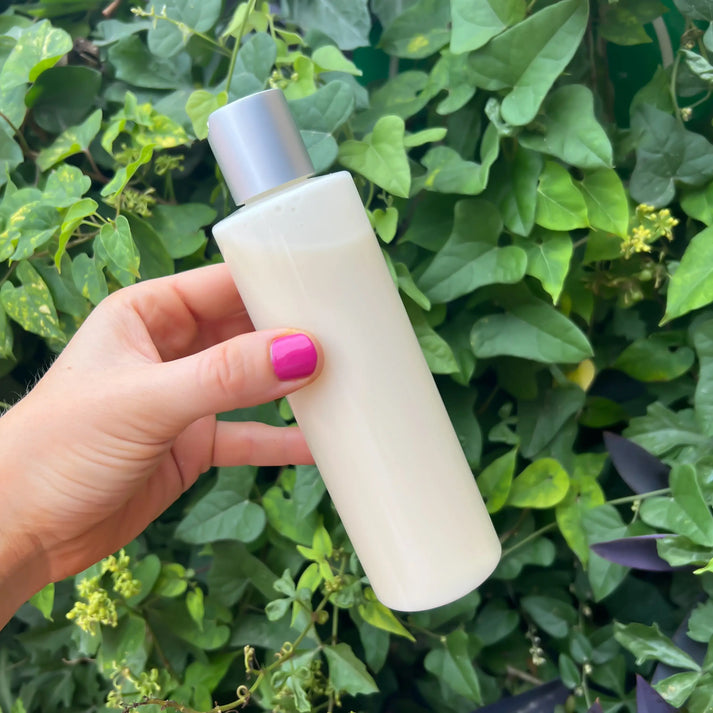
If you're ready to launch or improve a conditioner, we've already built the formula for you. Indigo Private Label's Hair Growth Conditioner combines biotin, rosemary leaf oil, niacinamide, and hydrolyzed quinoa protein in a clean, sulfate-free base designed for daily use and length retention.
You can use it as-is or customize it through our private-label services to fit your exact brand vision. Low minimums and fast turnaround mean you can ship with confidence sooner than you think.
Explore Indigo’s Hair Growth Conditioner and start building a conditioner your customers will genuinely love.
Frequently Asked Questions
Can conditioner make your hair fall out?
No. Conditioner does not cause true hair loss. It makes normal daily shedding more visible by releasing loose strands during detangling.
How much shedding is normal when using conditioner?
Between 50 and 100 strands daily is completely normal, with more noticeable loss during washing simply because loose hairs collect at once.
What ingredients should haircare manufacturers avoid?
Heavy silicones, irritating synthetic preservatives, and anything prone to scalp buildup when not thoroughly rinsed.
Can a good conditioner actually reduce hair fall?
Yes. By strengthening the hair shaft and reducing breakage, a well-formulated conditioner helps customers retain more length over time.
How do I formulate a conditioner that customers trust?
Focus on clean, strengthening actives, a balanced pH, and clear usage directions that set honest expectations from day one.


