

How to Sell Private Label Skincare on Amazon: 8 Mistakes That Stall Launches
Amazon can give a skincare brand reach and access to shoppers already searching for what you sell. But it also exposes weak products, poorly written claims, and thin margins faster than founders expect.
Many founders assume the hard part is finding a formula. But the real challenges come later: Amazon cosmetics compliance, FBA readiness, listing quality, reviews, and inventory planning.
In this blog, we will cover what brands most commonly get wrong when selling private-label skincare on Amazon, and what to fix before shipping inventory.
Mistake 1: Treating Amazon Like a Quick Listing
Skincare is not the same as selling a phone case or kitchen gadget. Products that touch the body and carry cosmetic claims face more scrutiny from Amazon's systems.
Before listing, founders should understand:
- Category accuracy
- Label requirements
- Ingredient disclosure
- Difference between cosmetic claims and drug-style claims
Under MoCRA, the "responsible person" is the manufacturer, packer, or distributor whose name appears on the cosmetic label, and marketed cosmetic products generally require FDA product listing unless an exemption applies.
Mistake 2: Making Claims That Get Listings Flagged or Customers Suspicious
Amazon listings are searchable, reviewable, and easy to flag. Claims in titles, bullets, images, A+ content, and backend fields all fall under Amazon's policies. It's A+ Content guidelines also warn against claims to cure, mitigate, treat, or prevent disease for cosmetics and related products.
Claims to avoid include
- Treats acne
- Heals eczema
- Cures irritation
- FDA approved
- Chemical-free
- Guaranteed safe for all skin types
- Removes wrinkles permanently
Safer cosmetic-style language sounds like "helps skin look smoother" or "supports a hydrated-looking complexion."
Mistake 3: Choosing Products Before Understanding Amazon Demand and Competition
Many founders choose a product because it is trending, not because there is a real positioning gap on Amazon. Before committing to a formula, brands should check bestsellers, review complaints, price bands, size norms, and the search terms customers actually use.
It also helps to ask whether the product can be explained clearly in one image and five bullets.
Better positioning angles include:
- Fragrance-free daily moisturizer
- Simple starter routine
- Sensitive-skin-friendly positioning
- Travel-size bundle
- Minimalist ingredient story
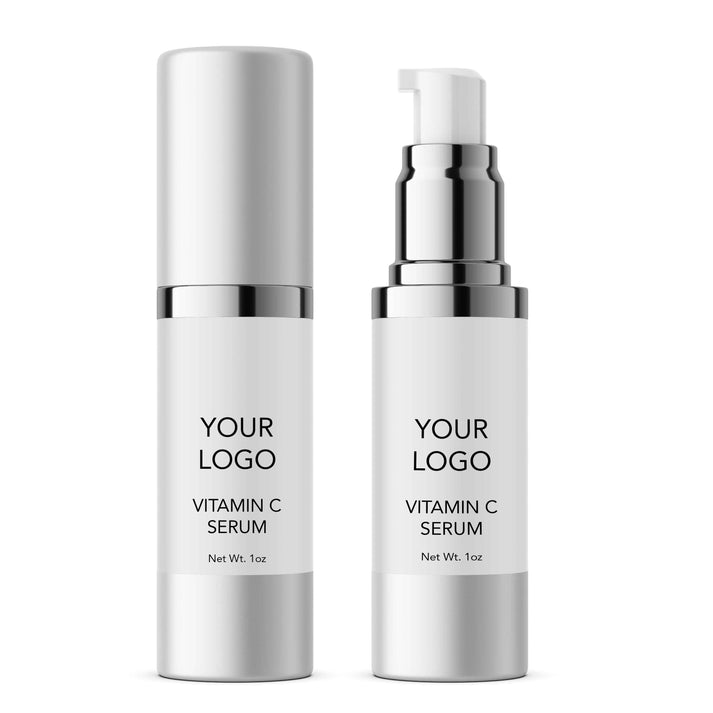
On Amazon beauty private label shelves, "another vitamin C serum" is not enough. The offer needs a reason to exist.
Mistake 4: Launching With Packaging That Looks Good but Fails Amazon Reality
Packaging must survive warehouse storage, shipping, customer handling, and potential returns. Visual appeal alone will not protect a product through the FBA supply chain.
Before sending inventory, brands should think through leak resistance, outer cartons or tamper-evident packaging where appropriate, barcode placement, lot and batch tracking, and heat or temperature sensitivity. Product photos should also show the required label panels.
Amazon's FBA expiration-date rules require case packs, multipacks, display boxes, and individual items to show expiration dates when applicable. Brands should understand those rules before shipping shelf-life-sensitive inventory.
Mistake 5: Assuming FBA Solves the Whole Operations Problem

FBA handles storage, picking, packing, shipping, customer service, and returns. That is useful, but it does not fix weak margins, poor packaging, compliance problems, product leakage, review issues, or slow reorder planning.
If the plan is to launch skincare on Amazon FBA, the math has to work before the first shipment. Brands must calculate referral fees, fulfillment fees, storage fees, ad spend, returns, prep costs, and landed product cost before launch. FBA is a fulfillment tool, not a business model by itself.
Mistake 6: Writing an Amazon Listing Like a Brand Website Page
Amazon shoppers scan quickly. They compare options, read reviews, check images, and look for proof. A listing needs to answer their questions fast: what it is, who it is for, texture, usage, size, and what makes it different.
A clear listing structure includes a searchable title, a clean main image, secondary images, five focused bullets, and A+ content for brand story, comparison charts, and routine education.
Mistake 7: Waiting Until Launch to Think About Reviews and Trust
Skincare depends heavily on trust. New brands need more than a nice label because customers worry about reactions, texture, scent, and returns. Before launch, brands should prepare clear product instructions, realistic expectations, customer support responses, and a review-safe launch plan that uses only Amazon-compliant methods.
Product inserts should never manipulate reviews. Reviews are also feedback on whether the product, listing, and customer expectations align.
Mistake 8: Skipping Brand Protection Before the Product Gains Traction
Private label skincare founders should think about brand control early, not after a competitor starts listing against their ASIN. Amazon Brand Registry gives brands better control over listings, access to A+ content, Brand Stores, and analytics. Amazon requires an active or pending registered trademark from an approved government IP office to qualify.
Before launch, founders should also run a brand name search, plan a trademark path, lock in packaging consistency, build a product photography set, define the brand story, and think through ASIN and variant strategy. Brand Registry is not the first step for every founder, but ignoring it can create real problems once a product starts selling.
Smarter Launch Sequence for Private Label Skincare on Amazon

After covering what goes wrong, here is a cleaner order to work through when preparing to sell private-label skincare on Amazon:
- Pick a focused product or routine bundle based on demand data and review gaps in the category.
- Confirm the basics of cosmetic compliance and define clear boundaries for claims before writing any copy.
- Choose packaging that works for storage, shipping, and the customer experience.
- Create compliant labels and product detail images that cover all required panels.
- Calculate Amazon fees, FBA costs, ad budget, and reorder timing before ordering inventory.
- Build the listing with Amazon-specific copy and a full image set.
- Ship a controlled first batch instead of over-ordering on an untested product.
- Watch reviews, returns, ad data, and inventory velocity before scaling.
This sequence is not complicated, but skipping any step is where most launches run into trouble.


FAQs
Can you sell private-label skincare on Amazon?
Yes, but the product, label, claims, category setup, and fulfillment plan must meet Amazon's policies and applicable cosmetic requirements.
Do I need approval to sell skincare on Amazon?
Some products or sellers may need category approval, documentation, or compliance review, depending on the product and account, so brands should check Seller Central before ordering inventory.
Is Amazon FBA good for skincare brands?
FBA can be useful for Prime shipping and outsourced fulfillment, but brands still need strong packaging, healthy margins, inventory planning, and compliance readiness for it to work well.
What claims should skincare brands avoid on Amazon?
Avoid disease, treatment, cure, guaranteed safety, "FDA approved," and exaggerated before-and-after claims that cannot be supported by the product's cosmetic function.
What is the biggest mistake Amazon beauty private label brands make?
The biggest mistake is launching a generic product without a compliance plan, clear positioning, strong listing assets, and realistic Amazon unit economics.
Build an Amazon Skincare Launch That Holds Up
Successful brands do not simply upload a skincare listing. They prepare the product, claims, packaging, unit economics, and review experience before the first unit reaches a warehouse. Amazon is not a shortcut. It is a stricter version of the beauty shelf, with more visibility, more competition, and less room for avoidable errors.
If you are preparing to sell private-label skincare on Amazon, Indigo Private Label can help with product development, custom formulation, packaging sourcing, and graphic design support as you prepare your first batch.
Explore Indigo Private Label Skincare Support when you are ready to move from Amazon launch planning to brand-ready products.

