

Copper Peptide Serum Stability: Why Packaging Matters for Private Label Success
Copper peptide serums have a particular pull. They feel clinical, effective, and serious about results. That is why they can inspire repeat purchases once customers have made a commitment.
However, there is a catch that most new private-label founders often overlook. You can launch a well-formulated copper peptide serum and still encounter problems months later, not because the formula failed, but because the packaging subtly undermined it.
For private label brands, stability is not just a lab concept. It shows up in color changes, texture shifts, or subtle performance differences that customers notice over time.
In this blog, we will walk you through what stability really means for a copper peptide serum, what commonly destabilizes it, and how packaging choices protect or weaken the product experience. We then connect those choices to a practical private-label workflow, using a real-world copper peptide serum specification as a reference point.
What Stability Really Means for Copper Peptide Serums
When we discuss stability, we are not referring to a single aspect of it. It is a combination of factors that work together throughout the product’s life.
- Chemical stability refers to the ability of the copper peptide to remain effective over time, with minimal oxidation or degradation.
- Physical stability refers to the serum maintaining its original texture, color, and viscosity. No separation. No graininess. No unexpected thinning.
- Microbiological stability refers to a product's ability to remain protected from contamination during its intended use.
Here is the part many founders overlook. Packaging is part of the formula. The primary container controls how much air, light, and bacteria reach the serum every time your customer uses it. Research on cosmetic packaging shows that packaging characteristics can influence the risk of contamination during repeated use.
4 Key Stability Risks for Copper Peptide Serums
Copper peptide serums rarely fail overnight. Most issues develop quietly over time through daily use, which is why packaging matters more than it initially appears.
- Oxygen Exposure and Oxidation Risk: Each time a bottle is opened, oxygen enters the system, increasing the risk of oxidation. Over weeks, that exposure can weaken a copper peptide serum. Packaging that reduces headspace and limits air re-entry helps. Airless systems often offer the strongest protection.
- Light Exposure and Formula Degradation: Serums often sit on countertops under bright lights. Over time, that exposure can affect color and stability. Amber or opaque packaging helps reduce this risk. Secondary cartons provide an additional layer of protection.
- Contamination During Repeated Use: Droppers that come into contact with skin or fingers near openings increase the risk of contamination. Research indicates that packaging design can influence contamination during cosmetic use. Formats that limit backflow help maintain consistency.
- Packaging Materials and Formula Compatibility: Copper peptide complexes respond to their surroundings. Stability studies track the formation of degradation under various conditions. Packaging materials shape that environment more than many founders expect.
A copper peptide serum usually changes slowly. Packaging controls the amount of stress the formula experiences during everyday use.
Best Packaging Options Ranked for Copper Peptide Serum Stability

Different packaging formats expose your formula to different risks between the first fill and the last dispense. Choosing packaging wisely upfront saves you from avoidable issues later. Here is how the most common options perform for private-label copper peptide serums.
Airless Pump (Best Overall Protection)
If stability is your top priority, airless pumps set the standard. They limit exposure to oxygen from the first use onward and reduce contamination during daily use. That makes them an intense match for a copper peptide serum positioned as performance-driven. They also deliver consistent dosing, travel well, and create a clean user experience.
There is one operational note to keep in mind. Pump compatibility matters. Viscosity, priming behavior, and output volume should always be validated during sampling to ensure accurate results. Airless packaging is designed to minimize exposure to air and oxygen, which can cause cosmetic formulas to degrade over time.
Glass Dropper (Good, But User-Dependent)
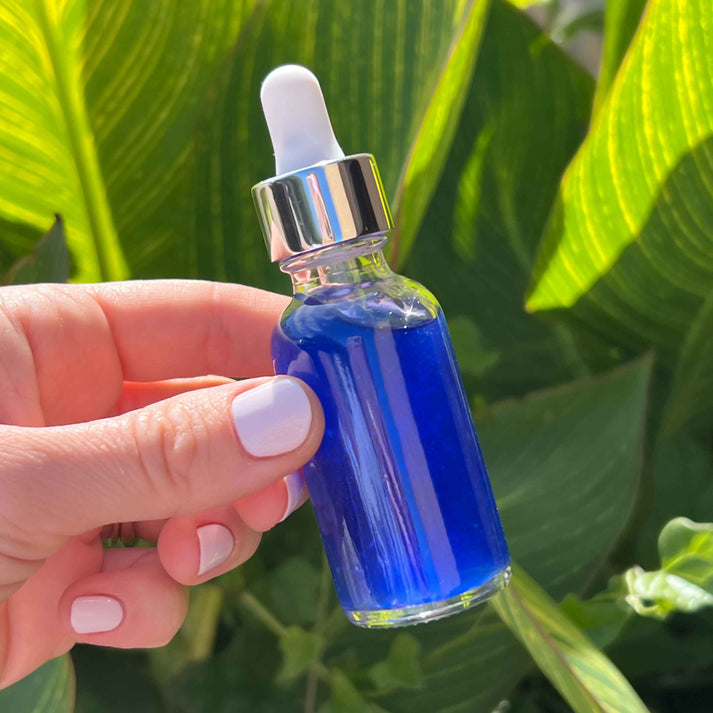
Glass droppers remain popular for a reason. They feel premium, offer strong chemical compatibility, and are easy to fill during production. They also come with trade-offs. Each opening introduces air. Each squeeze pulls oxygen into the bottle. The contamination risk increases if the dropper comes into contact with the skin.
This format can still work well when routines are short, preservation systems are robust, and usage instructions are clear and concise. Some copper peptide serums are filled in glass dropper bottles. Depending on the formula, it may also be compatible with other container types that meet your brand’s specific needs.


Tube (Surprisingly Strong for Air and Light Control)
Tubes are often overlooked for serums, but they offer real advantages. They limit air exposure during dispensing and can be made fully opaque to protect from light. They also reduce contamination because there is no backflow into the container.
The primary consideration is dosing control. Orifice size and material flexibility affect the amount of product dispensed with each use. Premium perception can also vary by target market. For many private label serums, tubes strike a practical balance between protection and cost.
Jar (Usually the Wrong Choice for Copper Peptides)
Jars create the highest exposure risk. Each use introduces air, and finger contact is frequent. Contamination potential is high. Unless there is a particular reason, jars are generally not a good match for a copper peptide serum. If used at all, they require strong preservation systems and very clear usage guidance.
What to Decide Before Choosing Serum Packaging
Before ordering packaging, pause and think about how your serum will actually be used. Start with protection. Consider how much air and light your copper peptide serum can tolerate during daily use. Opaque or amber packaging usually reduces risk, especially for products stored on bathroom counters or carried in bags.
Material choice comes next. Glass feels familiar, but certain plastics perform just as well when chosen carefully. The goal is simple. Avoid components that could stress the formula over time. Texture matters too. A watery serum needs a different dispensing than a gel-serum. That affects pump strength, orifice size, and user satisfaction.
Do not overlook labeling space or shipping realities. You need room for compliance text, as well as packaging that resists leaks and breakage. We can help guide you toward packaging options that align with your order quantities and your brand’s needs.
How Packaging Affects Returns, Reorders, and Trust
Packaging not only protects the formula but also enhances its appeal. It protects your reputation. When stability is handled well, customers see the same color, texture, and feel every time they reach for the bottle. That consistency builds confidence, even if they cannot explain why it feels reassuring.
Poor packaging shows up quietly. A serum that looks slightly darker. A thinner texture than expected. A faint change in odor that makes people hesitate to apply it again. Clean, controlled dispensing also shapes trust. When dosing feels predictable and hygienic, the product feels more “considered.” That matters for serums for skincare that are positioned as results-focused.
Over time, effective packaging reduces returns, minimizes customer service issues, and fosters repeat purchases. Those wins rarely get credit, but they compound fast.
How Indigo Fits Into the Packaging and Stability Workflow

Indigo offers a private-label copper peptide serum formulated with 1% GHK-Cu, designed for brands that want a performance-led product without needing to build it from scratch.
The workflow is straightforward. Brands begin with samples, review the necessary digital proofs for label approval, and then proceed to production once the requirements are met. For larger custom runs, we can also share a pre-production sample when needed. Packaging and label decisions are typically confirmed during the approval stage, which helps catch issues early.
Another practical detail is flexibility. The serum can be filled into containers supplied by your brand, which is helpful if you already have packaging selected or want to control the unboxing experience.
That step-by-step process creates room to test packaging choices before scaling, which is where stability decisions really start to matter.
Get Your Copper Peptide Serum Right From Day One
Copper peptide serums respond well to thoughtful packaging. Their long-term performance depends on how much air, light, and contamination the container allows to pass through over time.
A safer approach is to start with a proven copper peptide serum base, pair it with protective packaging, and test samples before full production. Live with the product for a few weeks. See how it holds up.
If you are exploring private-label options, explore Indigo’s GHK-Cu Copper Peptide Serum and its packaging flexibility.


