
Success Secrets of Effective Clean Haircare Private Label Products
Clean haircare is one of the most-requested categories in private-label beauty right now. But founders who launch on clean positioning alone often run into the same problem: a product that looks natural on the shelf but fails to earn repeat orders. Clean ingredients are a starting point, not a selling strategy.
What actually moves the needle is a product that solves a specific hair or scalp concern, feels good to use, communicates clearly, and fits naturally into a customer's routine.
In this blog, we’ll walk through how to evaluate the features of effective clean-haircare private-label products, covering formula, hair concern, texture, ingredient clarity, claims, packaging, and manufacturer support.
What Makes a Clean Haircare Product Effective?
The features of effective clean haircare private label products come down to a few non-negotiables:
- The formula must address a real hair or scalp concern.
- The texture must feel good in use.
- The claims must be clear and honest.
- The product must fit into a routine someone will repeat.
"Natural" is not enough on its own. A shampoo still needs to cleanse, a conditioner still needs to soften and detangle, and a scalp serum still needs to feel lightweight and absorb well. Clean positioning builds trust, but performance drives loyalty.
7 Secrets Behind Clean Haircare Private Label Products That Sell
Clean haircare products win when every part of the launch works together, from the customer concern and formula feel to the label, routine, claims, packaging, and manufacturer support.
Secret 1: Start With the Hair Concern Before Choosing the Product
The strongest natural haircare brands are built around a customer concern. Before selecting formulas, founders should get specific about what their customers are dealing with:
- Dryness
- Breakage
- Fine hair
- Scalp sensitivity
- Look of thinning hair
- Frizz
- Desire for a simpler routine
Different concerns call for different product features.
- Moisture-focused buyers care about softness, slip, and how the hair feels after drying.
- Scalp-focused buyers care about lightweight application, clean rinse, and a residue-free result.
Mapping the concern to the product before launch prevents the common mistake of building a line that tries to serve everyone and resonates with no one.
Secret 2: Match the Formula Features to the Customer Promise
Once the hair concern is clear, the formula features need to match it. Useful haircare product features to look for in clean formulations include:
- Sulfate-free cleansing agents
- Lightweight conditioning textures
- Scalp-supportive ingredients
- Botanical extracts
- Vitamins
- Peptides
- Nourishing oils
- Fragrance customization, where available
Each feature should connect directly to the customer promise. A sulfate-free base supports a gentler-feeling cleanse. A peptide or botanical blend can help achieve a thicker, healthier-looking appearance. Oils add softness and shine without necessarily weighing the hair down, depending on the formula.
Secret 3: Build Haircare Line Around a Simple Routine

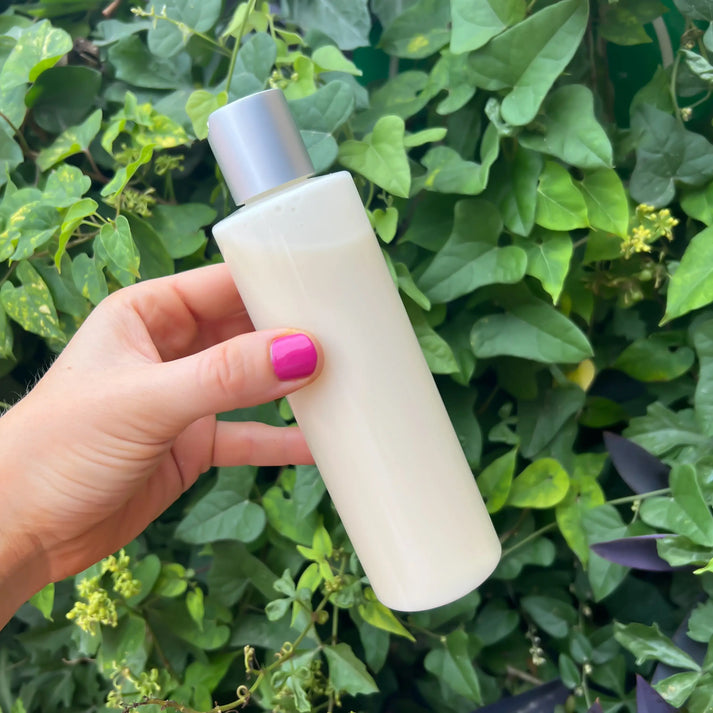
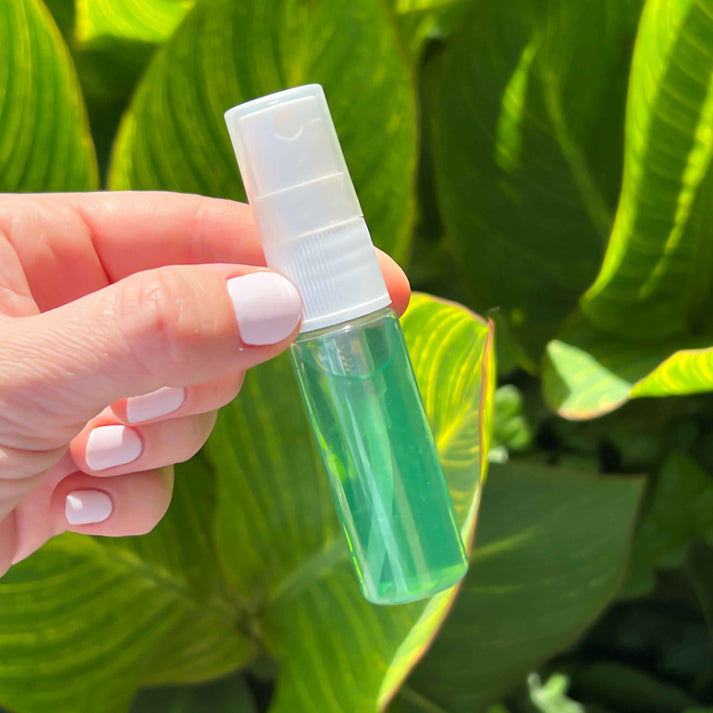
A starter lineup that feels complete is easier to sell than a collection of disconnected products. Shampoo, conditioner, and one treatment or serum give customers a clear routine with a beginning, middle, and end. It also makes bundling straightforward.
Routines are easier to market because the customer journey is obvious. Each product has a role, and the brand has a clear story to tell across all its products. Repeat-purchase logic is also stronger when customers use multiple products together and run out of them at similar intervals.
Our current haircare range includes shampoos, conditioners, and hair growth serums, making it easier for founders to build a focused haircare private-label line without sourcing from multiple suppliers.

Secret 4: Make the Label Clear, Honest, and Easy to Shop
Effective labels answer four questions quickly:
- What is this product?
- What does it do?
- How do I use it?
- Is it for me?
When a label tries to say too much, the customer stops reading and moves on.
Haircare product features on the label should be described in cosmetic, support-focused language. Say "helps support the appearance of fuller-looking hair" rather than making treatment or outcome claims.
Avoid guaranteed results. Keep ingredient-benefit language honest and proportionate to what the formula can reasonably do.
Secret 5: Keep Sustainability Claims Specific and Believable
Clean haircare shoppers often share the same values as sustainable skincare buyers. They pay attention to packaging, ingredient sourcing, and brand values. That overlap creates an opportunity, but it also creates risk if sustainability language is vague or unverified.
Eco-friendly hair products should only make specific, accurate, and substantiated claims. Do not describe packaging as recyclable, refillable, biodegradable, or plastic-free unless the exact packaging format supports that claim.
Secret 6: Choose a Manufacturer That Supports Small Starts and Growth
Strong product features only deliver results when the manufacturer behind them can support the full launch process. That means ordering flexibility, clear communication, formulation support, packaging help, and label support from the start.
We support founders at every stage of that process. Indigo offers no minimum order quantities for stock haircare products, as well as private-label and custom-formulation options, label printing, graphic design, brand consulting, and package sourcing.
For stock or small orders, we provide digital proofs so founders can review label placement and design before production moves forward.
That combination of flexibility and support matters most in the early stages, when founders are still testing what resonates with their audience and need a partner who can move at their pace.
Secret 7: Turn Features Into Customer-Friendly Messaging
Translating formula features into natural haircare messaging without sounding overly promotional requires a clear structure. A useful approach is to state the feature, explain why it matters, describe the customer-facing benefit, and note any limitations or context.
For example, you might say, "A sulfate-free shampoo can support a gentler-feeling cleanse, which matters for customers who wash often or prefer a less stripping routine." This kind of messaging is honest, specific, and easy to understand without overpromising.
Avoid language like "miracle growth," "guaranteed results," or "perfect for all hair types." These phrases weaken trust rather than build it. Customers respond better to brands that clearly explain what a product does and why, without the hype.
When these seven pieces are aligned, founders can move beyond clean positioning and build a haircare line that feels clear, credible, easy to use, and worth buying again.
FAQs
What are the most important features of clean haircare private label products?
The most important features are a clear product purpose, clean ingredient positioning, good texture, honest claims, and a good fit for routine use.
Is natural haircare enough to make a private label product successful?
No, natural positioning helps, but the product also needs to solve a real customer concern and feel good in regular use.
What clean haircare products should a new brand start with?
A simple shampoo, conditioner, and targeted serum usually creates the clearest starter routine.
Can eco-friendly hair products make broad sustainability claims?
Only if the claim is specific and supported. Avoid vague environmental language without proof.
How should founders compare clean haircare manufacturers?
Compare product range, customization, ordering flexibility, label support, communication, and ability to scale.
Build Your Clean Haircare Line With Features Customers Understand

The best clean-haircare private-label products are not just built around a natural-haircare positioning. They are focused, clearly positioned, useful in a real routine, and easy for a customer to explain to a friend. That combination is what turns a first purchase into a repeat order.
Founders who get that right start with a specific customer concern, choose formulas that match it, build a routine-based lineup, label it honestly, and work with a manufacturer who can support them from sampling through scale.
Explore Indigo Private Label’s Haircare Collection to build a clean, focused product line your customers can understand, use, and reorder with confidence.


